The myth of Carmen and her unparalleled fight for freedom and self-determination.
Opera in three acts
Libretto by Henri Meilhac and Ludovic Halévy, based on the novella of the same name by Prosper Mérimée
Performed in French with German and English surtitles
Premiere
1. May 2026
Dates & Cast
- Conductor Lorenzo Passerini
- Staging Nadja Loschky
- Set Design Etienne Pluss
- Costume Design Irina Spreckelmeyer
- Lighting Design Fabio Antoci
- Choreography Thomas Wilhelm
- Choir Jonathan Becker
- Children Choir Claudia Sebastian-Bertsch
- Dramaturgy Yvonne Gebauer, Benedikt Stampfli
- Carmen Caterina Piva
- Don José Attilio Glaser (29. August, 03. October 2026), Matthew Polenzani (02., 04., 07., 09., 12. September 2026), Tomislav Mužek (19. September, 06., 09. October 2026), Adam Smith (26. September 2026)
- Micaëla Marjukka Tepponen (29. August, 02., 04., 07., 09., 12. September, 03. October 2026), Louise McClelland Jacobsen (19., 26. September, 06., 09. October 2026)
- Escamillo Krzysztof Bączyk (29. August, 02., 04., 07., 09., 12. September 2026), Neven Crnić (19., 26. September, 03., 06., 09. October 2026)
- Zuniga Vladyslav Buialskyi (29. August, 02., 04., 07., 09., 12. September 2026), Metehan Köklü (19., 26. September, 03., 06., 09. October 2026)
- Moralès Anton Beliaev (29. August, 02. September 2026), Danylo Matviienko (04., 07., 09., 12., 19., 26. September, 03., 06., 09. October 2026)
- Frasquita Magdalena Lucjan (29. August, 02., 04., 07., 09., 12. September 2026), Dalia Medovnikov (19., 26. September, 03., 06., 09. October 2026)
- Mercédès Nicole Chirka (29. August, 02., 04., 07., 09., 12., 19. September 2026), Winona Martin (26. September, 03., 06., 09. October 2026)
- Dancaïro Simeon Esper
- Remendado Mario Lerchenberger (29. August, 02., 04., 07., 09., 12. September 2026), Jin Yu (19., 26. September, 03., 06., 09. October 2026)
- Alter Ego Don José Lasse Myhr
- Conductor Lorenzo Passerini
- Staging Nadja Loschky
- Set Design Etienne Pluss
- Costume Design Irina Spreckelmeyer
- Lighting Design Fabio Antoci
- Choreography Thomas Wilhelm
- Choir Jonathan Becker
- Children Choir Claudia Sebastian-Bertsch
- Dramaturgy Yvonne Gebauer, Benedikt Stampfli
Kinderchor der Semperoper Dresden
Sächsische Staatskapelle Dresden
- Carmen Caterina Piva
- Don José Attilio Glaser
- Micaëla Marjukka Tepponen
- Escamillo Krzysztof Bączyk
- Zuniga Vladyslav Buialskyi
- Moralès Anton Beliaev
- Frasquita Magdalena Lucjan
- Mercédès Nicole Chirka
- Dancaïro Simeon Esper
- Remendado Mario Lerchenberger
- Alter Ego Don José Lasse Myhr
- Conductor Lorenzo Passerini
- Staging Nadja Loschky
- Set Design Etienne Pluss
- Costume Design Irina Spreckelmeyer
- Lighting Design Fabio Antoci
- Choreography Thomas Wilhelm
- Choir Jonathan Becker
- Children Choir Claudia Sebastian-Bertsch
- Dramaturgy Yvonne Gebauer, Benedikt Stampfli
Kinderchor der Semperoper Dresden
Sächsische Staatskapelle Dresden
- Carmen Caterina Piva
- Don José Matthew Polenzani
- Micaëla Marjukka Tepponen
- Escamillo Krzysztof Bączyk
- Zuniga Vladyslav Buialskyi
- Moralès Anton Beliaev
- Frasquita Magdalena Lucjan
- Mercédès Nicole Chirka
- Dancaïro Simeon Esper
- Remendado Mario Lerchenberger
- Alter Ego Don José Lasse Myhr
- Conductor Lorenzo Passerini
- Staging Nadja Loschky
- Set Design Etienne Pluss
- Costume Design Irina Spreckelmeyer
- Lighting Design Fabio Antoci
- Choreography Thomas Wilhelm
- Choir Jonathan Becker
- Children Choir Claudia Sebastian-Bertsch
- Dramaturgy Yvonne Gebauer, Benedikt Stampfli
Kinderchor der Semperoper Dresden
Sächsische Staatskapelle Dresden
- Carmen Caterina Piva
- Don José Matthew Polenzani
- Micaëla Marjukka Tepponen
- Escamillo Krzysztof Bączyk
- Zuniga Vladyslav Buialskyi
- Moralès Danylo Matviienko
- Frasquita Magdalena Lucjan
- Mercédès Nicole Chirka
- Dancaïro Simeon Esper
- Remendado Mario Lerchenberger
- Alter Ego Don José Lasse Myhr
- Conductor Lorenzo Passerini
- Staging Nadja Loschky
- Set Design Etienne Pluss
- Costume Design Irina Spreckelmeyer
- Lighting Design Fabio Antoci
- Choreography Thomas Wilhelm
- Choir Jonathan Becker
- Children Choir Claudia Sebastian-Bertsch
- Dramaturgy Yvonne Gebauer, Benedikt Stampfli
Kinderchor der Semperoper Dresden
Sächsische Staatskapelle Dresden
- Carmen Caterina Piva
- Don José Matthew Polenzani
- Micaëla Marjukka Tepponen
- Escamillo Krzysztof Bączyk
- Zuniga Vladyslav Buialskyi
- Moralès Danylo Matviienko
- Frasquita Magdalena Lucjan
- Mercédès Nicole Chirka
- Dancaïro Simeon Esper
- Remendado Mario Lerchenberger
- Alter Ego Don José Lasse Myhr
- Conductor Lorenzo Passerini
- Staging Nadja Loschky
- Set Design Etienne Pluss
- Costume Design Irina Spreckelmeyer
- Lighting Design Fabio Antoci
- Choreography Thomas Wilhelm
- Choir Jonathan Becker
- Children Choir Claudia Sebastian-Bertsch
- Dramaturgy Yvonne Gebauer, Benedikt Stampfli
Kinderchor der Semperoper Dresden
Sächsische Staatskapelle Dresden
- Carmen Caterina Piva
- Don José Matthew Polenzani
- Micaëla Marjukka Tepponen
- Escamillo Krzysztof Bączyk
- Zuniga Vladyslav Buialskyi
- Moralès Danylo Matviienko
- Frasquita Magdalena Lucjan
- Mercédès Nicole Chirka
- Dancaïro Simeon Esper
- Remendado Mario Lerchenberger
- Alter Ego Don José Lasse Myhr
- Conductor Lorenzo Passerini
- Staging Nadja Loschky
- Set Design Etienne Pluss
- Costume Design Irina Spreckelmeyer
- Lighting Design Fabio Antoci
- Choreography Thomas Wilhelm
- Choir Jonathan Becker
- Children Choir Claudia Sebastian-Bertsch
- Dramaturgy Yvonne Gebauer, Benedikt Stampfli
Kinderchor der Semperoper Dresden
Sächsische Staatskapelle Dresden
- Carmen Caterina Piva
- Don José Matthew Polenzani
- Micaëla Marjukka Tepponen
- Escamillo Krzysztof Bączyk
- Zuniga Vladyslav Buialskyi
- Moralès Danylo Matviienko
- Frasquita Magdalena Lucjan
- Mercédès Nicole Chirka
- Dancaïro Simeon Esper
- Remendado Mario Lerchenberger
- Alter Ego Don José Lasse Myhr
- Conductor Lorenzo Passerini
- Staging Nadja Loschky
- Set Design Etienne Pluss
- Costume Design Irina Spreckelmeyer
- Lighting Design Fabio Antoci
- Choreography Thomas Wilhelm
- Choir Jonathan Becker
- Children Choir Claudia Sebastian-Bertsch
- Dramaturgy Yvonne Gebauer, Benedikt Stampfli
Kinderchor der Semperoper Dresden
Sächsische Staatskapelle Dresden
- Carmen Caterina Piva
- Don José Tomislav Mužek
- Micaëla Louise McClelland Jacobsen
- Escamillo Neven Crnić
- Zuniga Metehan Köklü
- Moralès Danylo Matviienko
- Frasquita Dalia Medovnikov
- Mercédès Nicole Chirka
- Dancaïro Simeon Esper
- Remendado Jin Yu
- Alter Ego Don José Lasse Myhr
- Conductor Lorenzo Passerini
- Staging Nadja Loschky
- Set Design Etienne Pluss
- Costume Design Irina Spreckelmeyer
- Lighting Design Fabio Antoci
- Choreography Thomas Wilhelm
- Choir Jonathan Becker
- Children Choir Claudia Sebastian-Bertsch
- Dramaturgy Yvonne Gebauer, Benedikt Stampfli
Kinderchor der Semperoper Dresden
Sächsische Staatskapelle Dresden
- Carmen Caterina Piva
- Don José Adam Smith
- Micaëla Louise McClelland Jacobsen
- Escamillo Neven Crnić
- Zuniga Metehan Köklü
- Moralès Danylo Matviienko
- Frasquita Dalia Medovnikov
- Mercédès Winona Martin
- Dancaïro Simeon Esper
- Remendado Jin Yu
- Alter Ego Don José Lasse Myhr
- Conductor Lorenzo Passerini
- Staging Nadja Loschky
- Set Design Etienne Pluss
- Costume Design Irina Spreckelmeyer
- Lighting Design Fabio Antoci
- Choreography Thomas Wilhelm
- Choir Jonathan Becker
- Children Choir Claudia Sebastian-Bertsch
- Dramaturgy Yvonne Gebauer, Benedikt Stampfli
Kinderchor der Semperoper Dresden
Sächsische Staatskapelle Dresden
- Carmen Caterina Piva
- Don José Attilio Glaser
- Micaëla Marjukka Tepponen
- Escamillo Neven Crnić
- Zuniga Metehan Köklü
- Moralès Danylo Matviienko
- Frasquita Dalia Medovnikov
- Mercédès Winona Martin
- Dancaïro Simeon Esper
- Remendado Jin Yu
- Alter Ego Don José Lasse Myhr
- Conductor Lorenzo Passerini
- Staging Nadja Loschky
- Set Design Etienne Pluss
- Costume Design Irina Spreckelmeyer
- Lighting Design Fabio Antoci
- Choreography Thomas Wilhelm
- Choir Jonathan Becker
- Children Choir Claudia Sebastian-Bertsch
- Dramaturgy Yvonne Gebauer, Benedikt Stampfli
Kinderchor der Semperoper Dresden
Sächsische Staatskapelle Dresden
- Carmen Caterina Piva
- Don José Tomislav Mužek
- Micaëla Louise McClelland Jacobsen
- Escamillo Neven Crnić
- Zuniga Metehan Köklü
- Moralès Danylo Matviienko
- Frasquita Dalia Medovnikov
- Mercédès Winona Martin
- Dancaïro Simeon Esper
- Remendado Jin Yu
- Alter Ego Don José Lasse Myhr
- Conductor Lorenzo Passerini
- Staging Nadja Loschky
- Set Design Etienne Pluss
- Costume Design Irina Spreckelmeyer
- Lighting Design Fabio Antoci
- Choreography Thomas Wilhelm
- Choir Jonathan Becker
- Children Choir Claudia Sebastian-Bertsch
- Dramaturgy Yvonne Gebauer, Benedikt Stampfli
Kinderchor der Semperoper Dresden
Sächsische Staatskapelle Dresden
- Carmen Caterina Piva
- Don José Tomislav Mužek
- Micaëla Louise McClelland Jacobsen
- Escamillo Neven Crnić
- Zuniga Metehan Köklü
- Moralès Danylo Matviienko
- Frasquita Dalia Medovnikov
- Mercédès Winona Martin
- Dancaïro Simeon Esper
- Remendado Jin Yu
- Alter Ego Don José Lasse Myhr
In brief
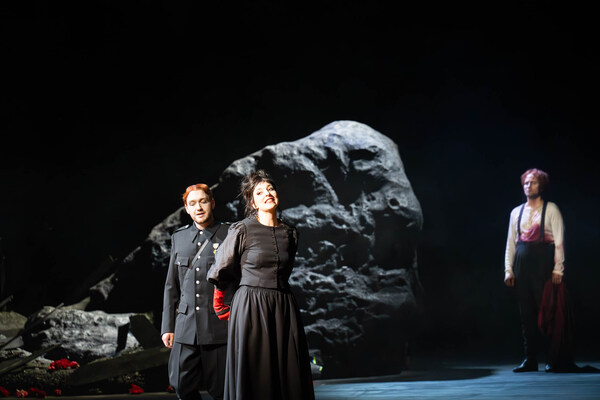
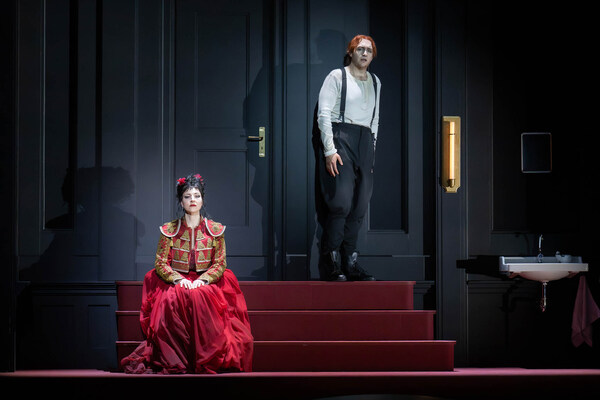
Is Carmen’s gaze only to be compared with that of a wild animal? The French writer Prosper Mérimée explored this question in his novella Carmen, which was the basis for Georges Bizet’s (1838-1875) final opera, which premiered at the Opéra-Comique in Paris on 3 March 1875. Carmen’s air of seduction is both her weapon and her downfall, for in the end she dies at the hands of her jealous lover, Don José. Carmen refuses to be told what to do and certainly doesn’t want to be rescued by Don José in the shifting sands in front of the bullfighting arena. She prefers death to having her life decided by others. In the extremely popular and passionate “Habanera” aria, which is our first encounter with Carmen, she paints a picture of herself: “Love is a rebellious bird that none can tame.” Her indomitable desire for freedom is stamped in her DNA.
Peppered with catchy melodies, traditional instruments such as castanets and tambourines, sparkling rhythms and a string of Spanish dances, Georges Bizet’s score is full of vigour, power and passion. Joie de vivre and dance are closely interwoven with pain and, ultimately, death. The Janus-faced theme of fear and fascination sets the temperature in this opera and, incidentally, went on to influence the creation of a number of Carmen-like figures in later operas.
Storyline
Act I
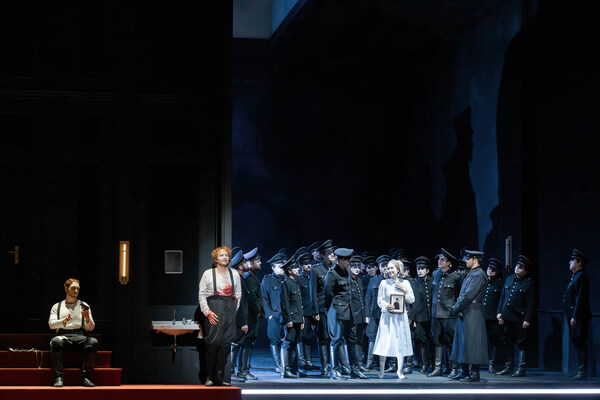
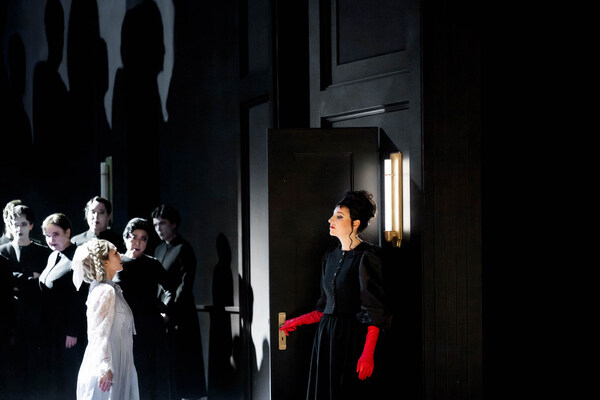
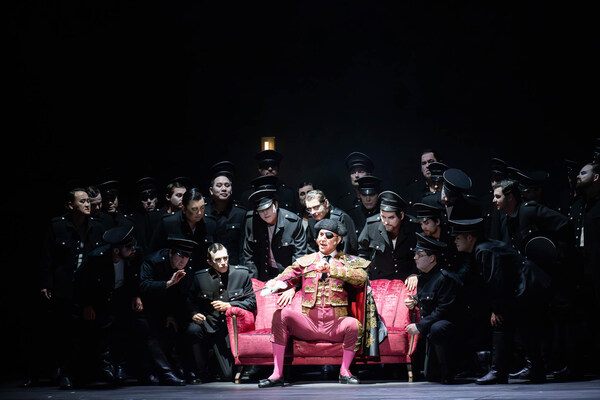
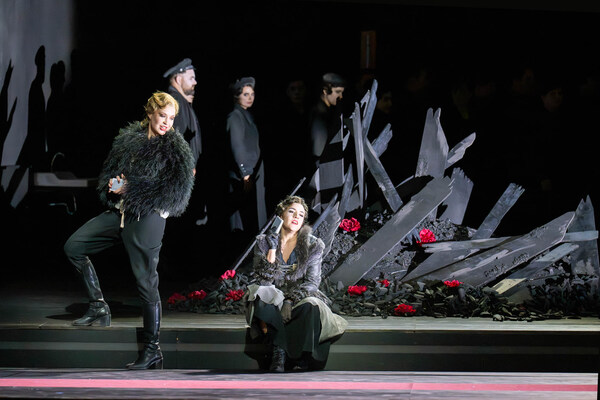
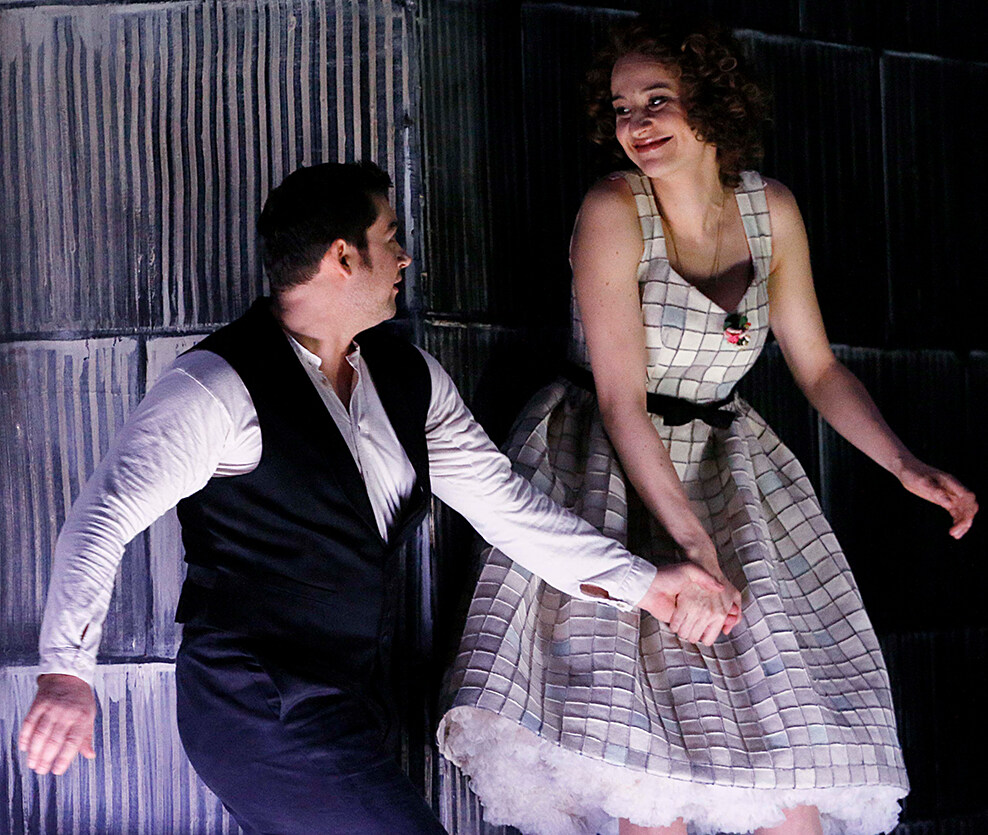
Bored, Sergeant Moralès and his regiment pass the time. Micaëla, who comes to the soldiers in search of her childhood friend Don José, offers a welcome target for their lewd jokes. A group of children also provide some diversion, exuberantly mingling with the soldiers during the changing of the guard. Nearby, a group of women gather, including Carmen, who is eagerly awaited by the men and turns everyone's head with her provocative Habanera – eventually including Don José, to whom Carmen tosses a flower. Still captivated by the seductive woman, Don José is surprised by Micaëla, who delivers him a message from his mother along with a kiss. Excited shouting tears Don José from the memories of his homeland. Carmen has started an argument and wounded another woman with a knife. Don José is told to take Carmen away. When the two are alone, she uses the opportunity to completely captivate him. Anticipating a night with her, Don José sets Carmen free, for which he is himself arrested.
Act II
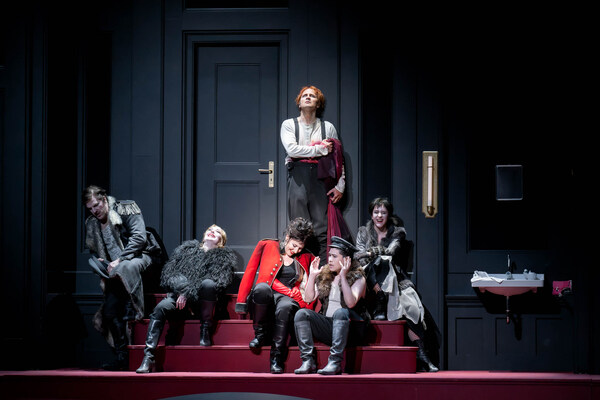
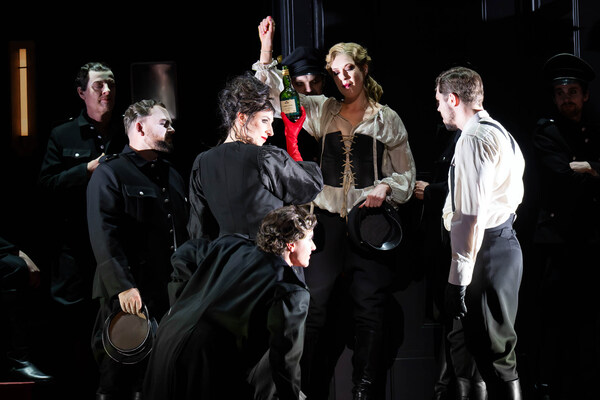
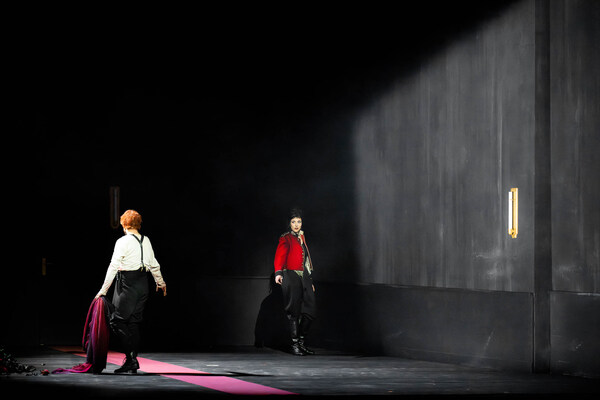
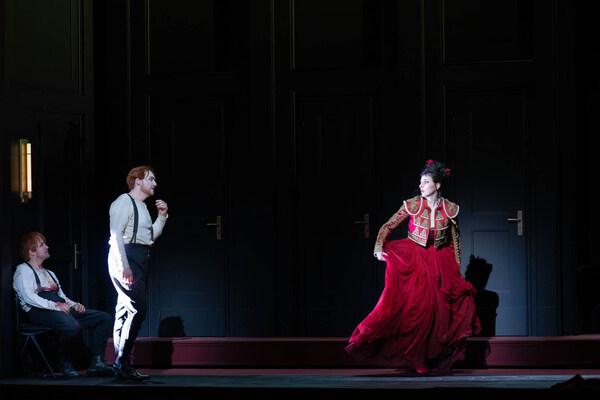
In Lillas Pastia’s tavern, Zuniga and his soldiers enjoy the dancing and singing of Carmen and her friends Frasquita and Mercédès. The appearance of Escamillo, the toreador idolized by the women and admired by the men, causes a sensation. He, too, is taken in by Carmen's allure. After the soldiers have disappeared, the two smugglers Dancaïro and Remendado turn up. They try to win the three women over for their next heist, but Carmen refuses to go along with them. She waits for Don José, who has been released from prison the same day. Carmen dances for him all alone, until the bugle call is heard and Don José, to Carmen's complete incomprehension, wants to leave. At that moment, Zuniga returns to the tavern, hoping to meet Carmen alone. When he recognizes and attacks Don José, he is restrained by the smugglers. Don José is forced to join them.
Act III, Scene I
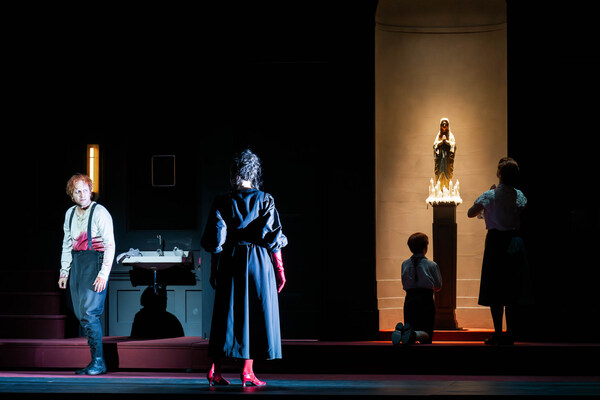
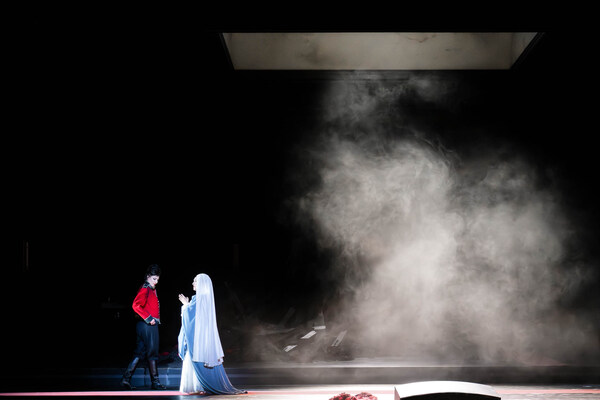
Carmen, Frasquita, and Mercédès return with Dancaïro and Remendado to their camp, where Don José is waiting. Carmen has long since grown bored of him and, despite his threats, scornfully rebuffs him. To cheer themselves up, Frasquita and Mercédès read their fortunes from the cards. While a rosy future with love and wealth is revealed for the two of them, Carmen's cards repeatedly foretell the deaths of both her and Don José. Reconciling herself to destiny, Carmen accepts this fate and turns to her next task, distracting three tax collectors. Shortly afterwards, Micaëla, who has followed Don José, appears and works up her courage. She hides when she hears Escamillo. He is received by Don José and reveals to him his love for Carmen. They fight, but Carmen prevents Don José from killing Escamillo. In bidding farewell, Escamillo invites everyone to his next bullfight in Seville. Micaëla is discovered and asks Don José to come with her to see his dying mother again. Carmen urges Don José to leave. He follows Micaëla, but promises Carmen that he will find her again.
Act III, Scene II
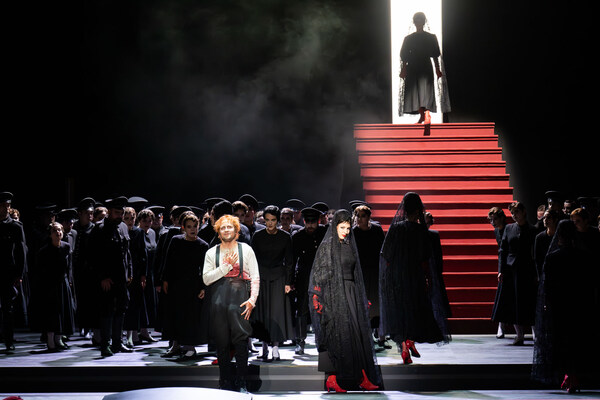
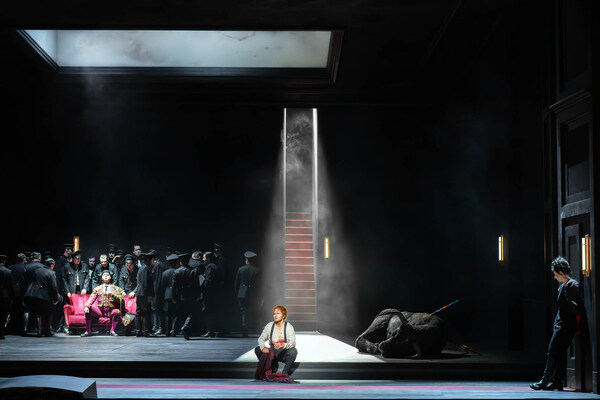
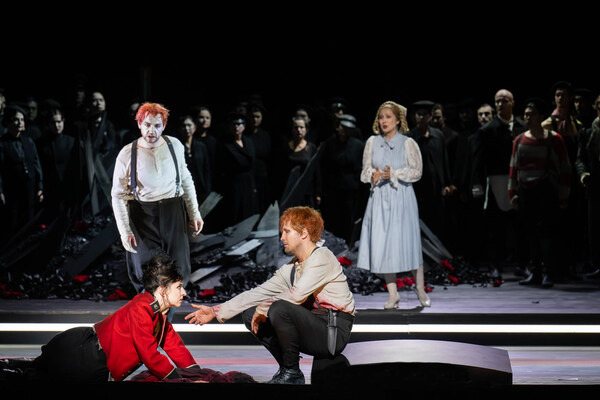
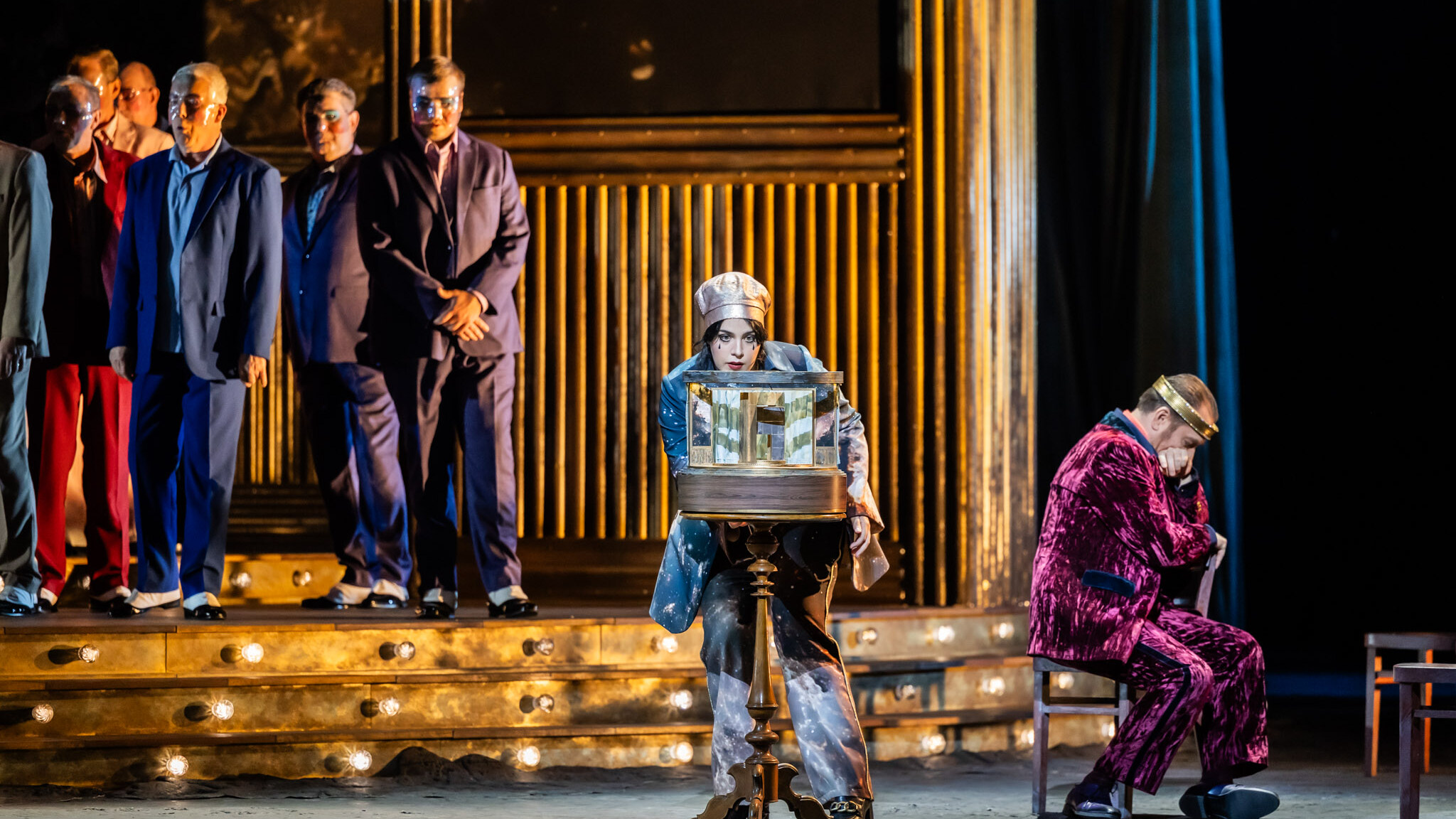
All of Seville follows the solemn entrance of the bullfighters into the bullring. At the end, Escamillo walks past to wild celebrations. Frasquita and Mercédès have spotted Don José in the crowd and warn Carmen of him. However, she does not want to avoid him and her fate. During the bullfight, Don José and Carmen meet one last time. He begs her to come with him, but she remains firm. In the moment of Escamillo's victory over the bull, Don José kills Carmen.