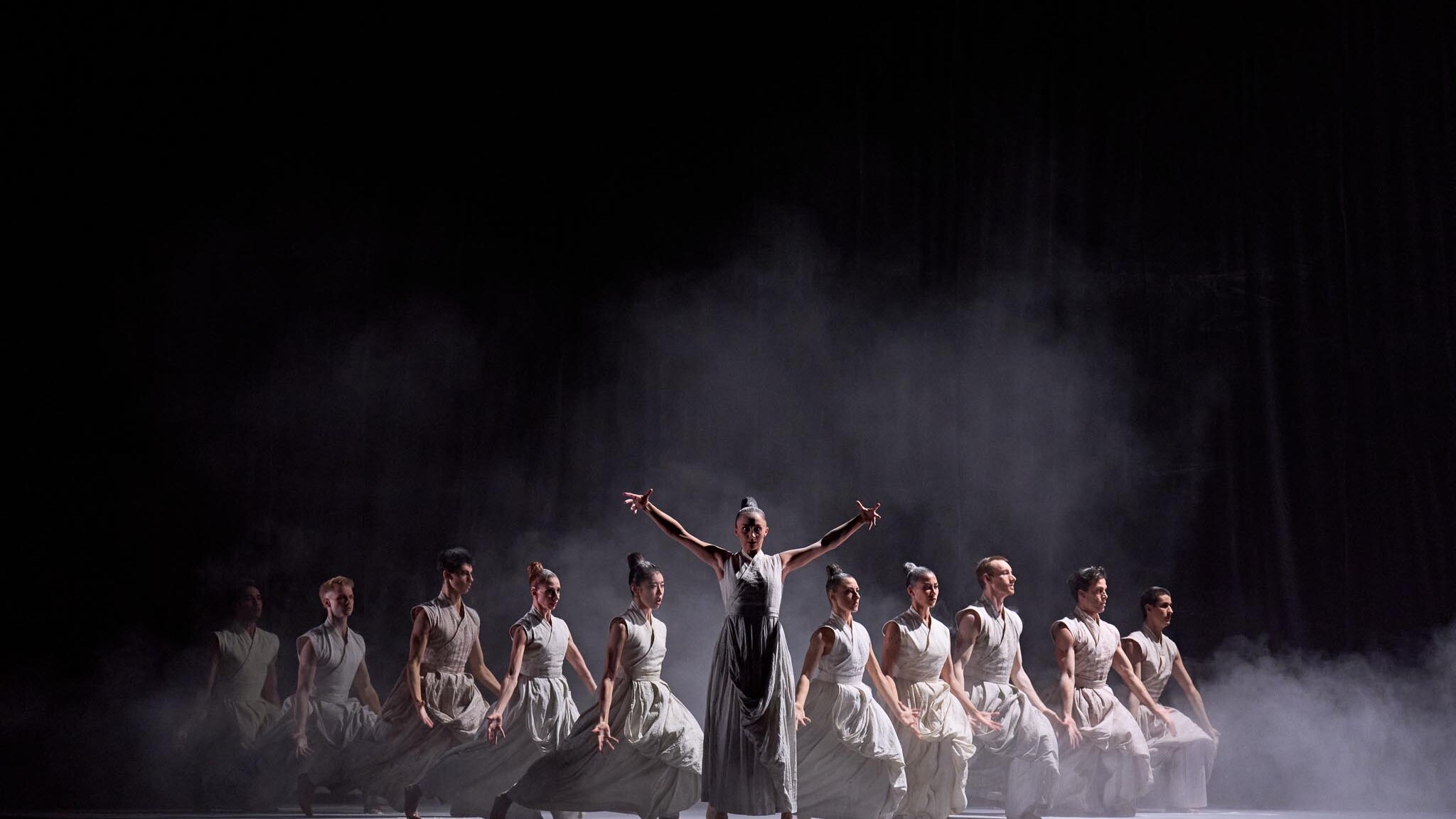
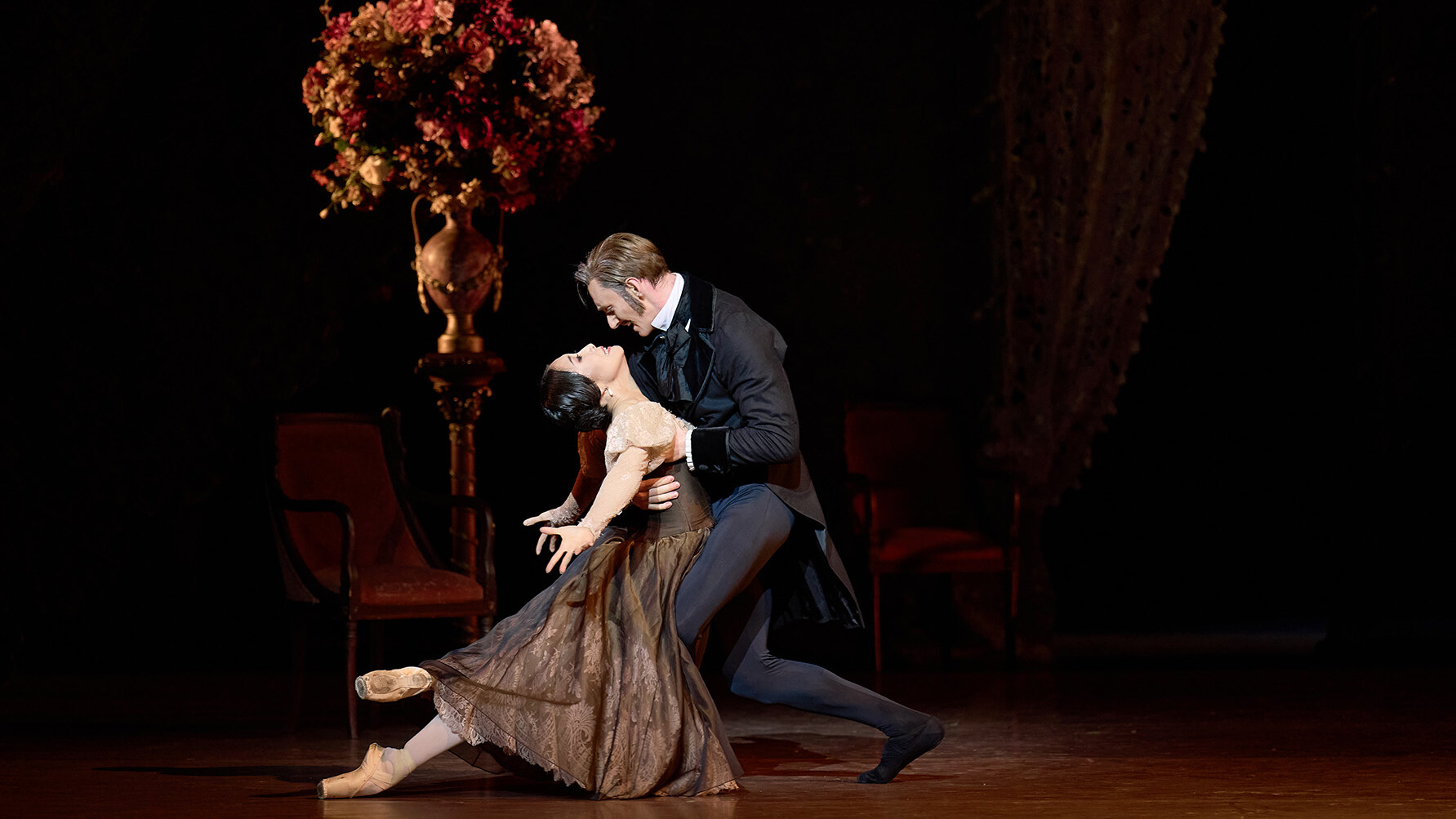
The ballet Carmen by Swedish star choreographer Johan Inger fits seamlessly into a long line of brilliant Carmen interpretations by such great names as John Cranko, Mats Ek and Carlos Acosta.
Ballet in two acts
Premiere
25. January 2019
Dates & Cast
- Choreography Johan Inger
- Music Georges Bizet, Rodion Schtschedrin
- Ergänzende Neukomposition Marc Álvarez
- Costume Design David Delfín
- Set Design Curt Allen Wilmer
- Lighting Design Tom Visser
- Staged by Urtzi Aranburu, Carolina Armenta, Patricia Vázquez Iruretagoyena
- Dramaturgy Gregor Acuña-Pohl
- Choreography Johan Inger
- Music Georges Bizet, Rodion Schtschedrin
- Ergänzende Neukomposition Marc Álvarez
- Costume Design David Delfín
- Set Design Curt Allen Wilmer
- Lighting Design Tom Visser
- Staged by Urtzi Aranburu
- Dramaturgy Gregor Acuña-Pohl
Generously supported by the Semperoper Foundation
- Choreography Johan Inger
- Music Georges Bizet, Rodion Schtschedrin
- Ergänzende Neukomposition Marc Álvarez
- Costume Design David Delfín
- Set Design Curt Allen Wilmer
- Lighting Design Tom Visser
- Staged by Urtzi Aranburu
- Dramaturgy Gregor Acuña-Pohl
Generously supported by the Semperoper Foundation
- Choreography Johan Inger
- Music Georges Bizet, Rodion Schtschedrin
- Ergänzende Neukomposition Marc Álvarez
- Costume Design David Delfín
- Set Design Curt Allen Wilmer
- Lighting Design Tom Visser
- Staged by Urtzi Aranburu
- Dramaturgy Gregor Acuña-Pohl
Generously supported by the Semperoper Foundation
- Choreography Johan Inger
- Music Georges Bizet, Rodion Schtschedrin
- Ergänzende Neukomposition Marc Álvarez
- Costume Design David Delfín
- Set Design Curt Allen Wilmer
- Lighting Design Tom Visser
- Staged by Urtzi Aranburu
- Dramaturgy Gregor Acuña-Pohl
Generously supported by the Semperoper Foundation
- Choreography Johan Inger
- Music Georges Bizet, Rodion Schtschedrin
- Ergänzende Neukomposition Marc Álvarez
- Costume Design David Delfín
- Set Design Curt Allen Wilmer
- Lighting Design Tom Visser
- Staged by Urtzi Aranburu
- Dramaturgy Gregor Acuña-Pohl
Generously supported by the Semperoper Foundation
- Choreography Johan Inger
- Music Georges Bizet, Rodion Schtschedrin
- Ergänzende Neukomposition Marc Álvarez
- Costume Design David Delfín
- Set Design Curt Allen Wilmer
- Lighting Design Tom Visser
- Staged by Urtzi Aranburu
- Dramaturgy Gregor Acuña-Pohl
Generously supported by the Semperoper Foundation
- Choreography Johan Inger
- Music Georges Bizet, Rodion Schtschedrin
- Ergänzende Neukomposition Marc Álvarez
- Costume Design David Delfín
- Set Design Curt Allen Wilmer
- Lighting Design Tom Visser
- Staged by Urtzi Aranburu
- Dramaturgy Gregor Acuña-Pohl
Generously supported by the Semperoper Foundation
- Choreography Johan Inger
- Music Georges Bizet, Rodion Schtschedrin
- Ergänzende Neukomposition Marc Álvarez
- Costume Design David Delfín
- Set Design Curt Allen Wilmer
- Lighting Design Tom Visser
- Staged by Urtzi Aranburu
- Dramaturgy Gregor Acuña-Pohl
Generously supported by the Semperoper Foundation
- Choreography Johan Inger
- Music Georges Bizet, Rodion Schtschedrin
- Ergänzende Neukomposition Marc Álvarez
- Costume Design David Delfín
- Set Design Curt Allen Wilmer
- Lighting Design Tom Visser
- Staged by Urtzi Aranburu
- Dramaturgy Gregor Acuña-Pohl
Generously supported by the Semperoper Foundation
- Choreography Johan Inger
- Music Georges Bizet, Rodion Schtschedrin
- Ergänzende Neukomposition Marc Álvarez
- Costume Design David Delfín
- Set Design Curt Allen Wilmer
- Lighting Design Tom Visser
- Staged by Urtzi Aranburu
- Dramaturgy Gregor Acuña-Pohl
Generously supported by the Semperoper Foundation
- Choreography Johan Inger
- Music Georges Bizet, Rodion Schtschedrin
- Ergänzende Neukomposition Marc Álvarez
- Costume Design David Delfín
- Set Design Curt Allen Wilmer
- Lighting Design Tom Visser
- Staged by Urtzi Aranburu
- Dramaturgy Gregor Acuña-Pohl
Generously supported by the Semperoper Foundation
In brief
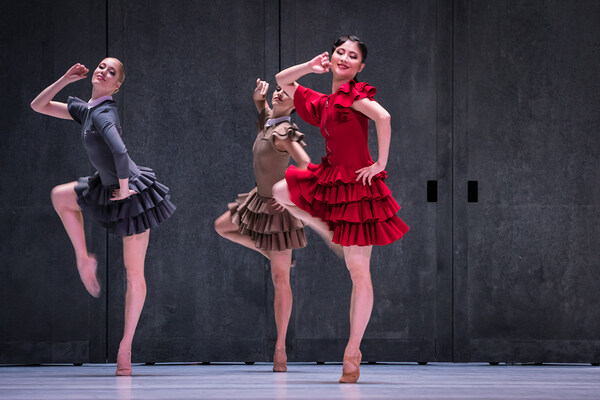
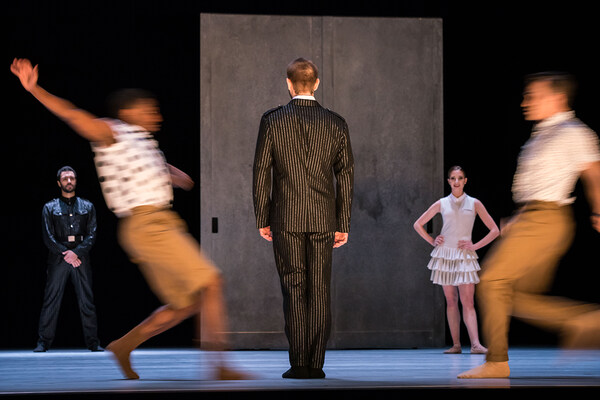
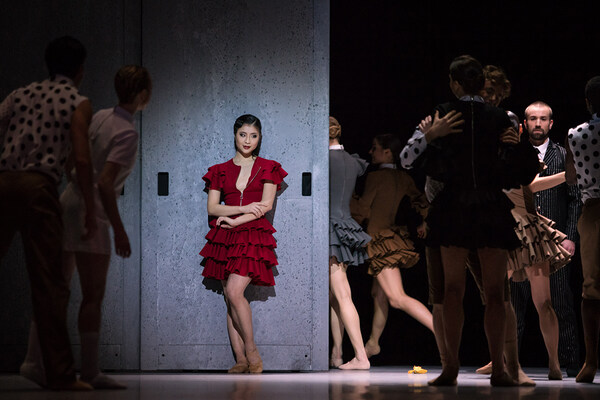
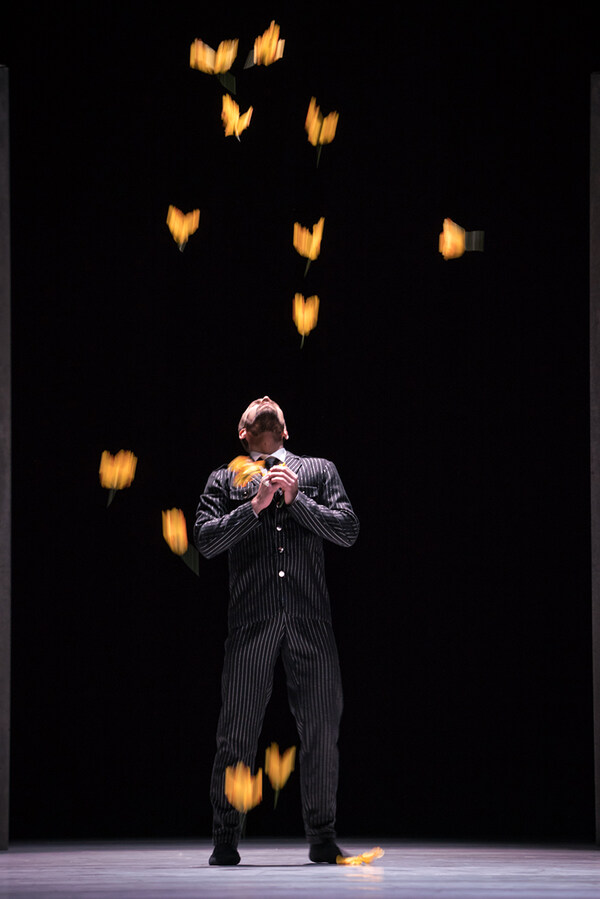
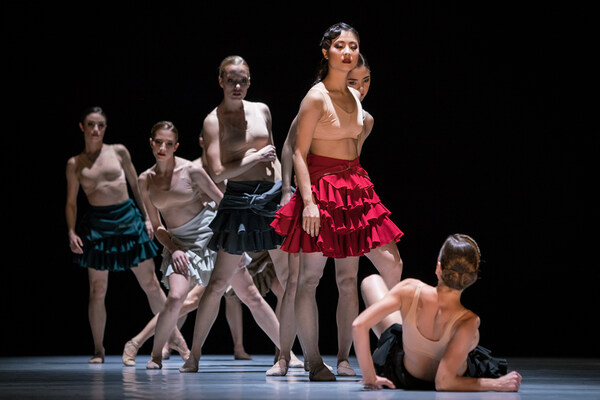
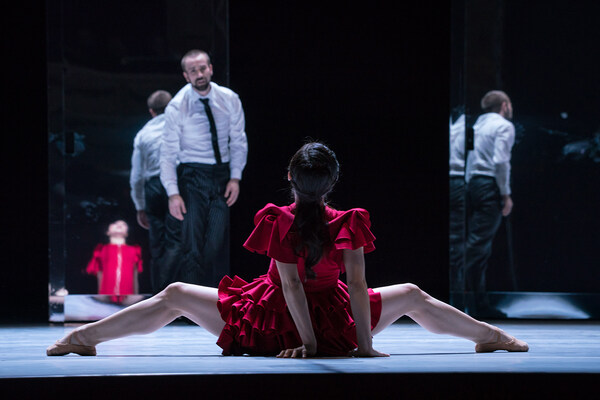
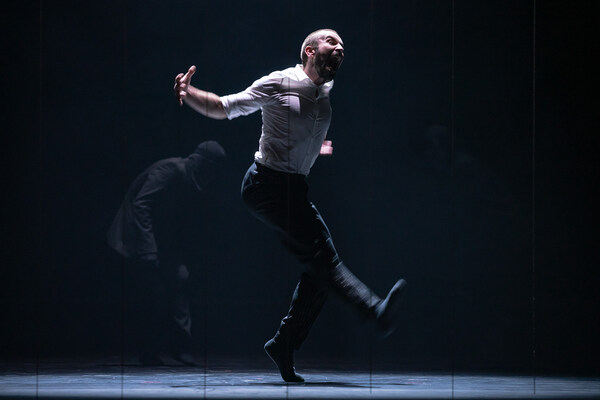
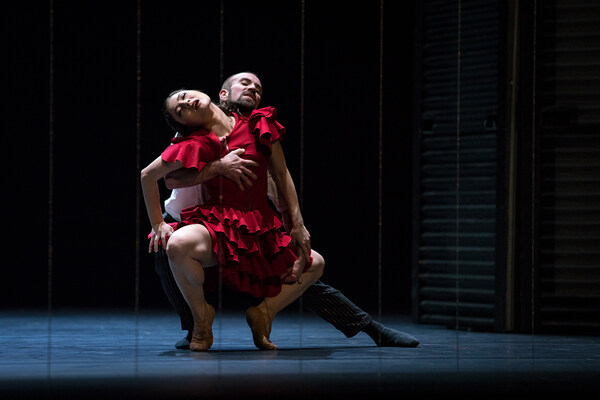
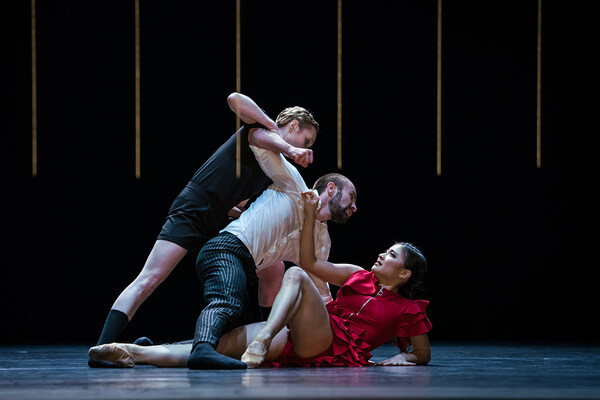
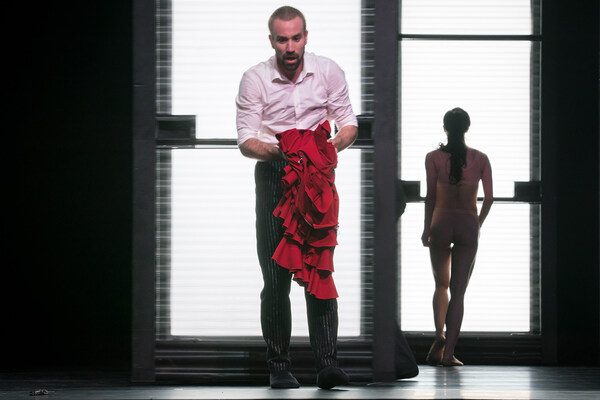
The ballet Carmen by Swedish star choreographer Johan Inger fits seamlessly into a long line of brilliant Carmen interpretations by such great names as John Cranko, Mats Ek and Carlos Acosta. Viewed from the perspective of a child, Johan Inger tells the tragic love story of Carmen, Don José and the toreador – a tale of passion, jealousy, revenge and hatred – using strikingly vivid images. Johan Inger created Carmen in 2015 for Madrid’s Compañía Nacional de Danza to music by Georges Bizet and Rodion Schtschedrin as well as new compositions by the Spaniard Marc Álvarez. In 2016 the choreographer travelled to Moscow to receive the “Oscar” of the ballet world, the Prix Benois de la Danse, for this, his first full-length ballet.
Storyline
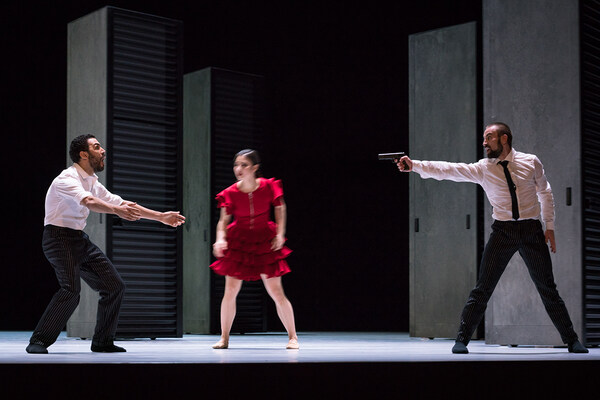
A young boy is chasing after his ball whilst playing and encounters his destiny. The story begins. In front of the gates of a tobacco factory, where young men are passing the time, José is on guard. The workers appear and in the middle of them is Carmen: confident, defiant and desired by men, she masters the art of seduction. José doesn’t know what’s happening when Carmen throws him, of all people, a flower as she is leaving. She has chosen him! When José realises that the boy is watching him daydream, he leaves. In the factory, the atmosphere of aggression and competition amongst the women is heating up. An argument breaks out. Carmen attacks a woman in the face with a knife. José leads Carmen away but she has captivated him and he lets her go. José is degraded and humiliated by Zúñiga. From the background, José watches how a party is held in honour of the toreador at which Carmen also appears. Carmen’s desire in erotic playfulness with Zúñiga and the toreador is clear to see yet afterwards she still thanks José. Lightness and passion, temptation and desire merge. After the love play, it is over for José. Was it a dream? That she is now leaving him again fills him with despair and when he later encounters Carmen and Zúñiga ”in flagranti“ he shoots his rival in front of Carmen’s eyes – and the boy.
José flees …
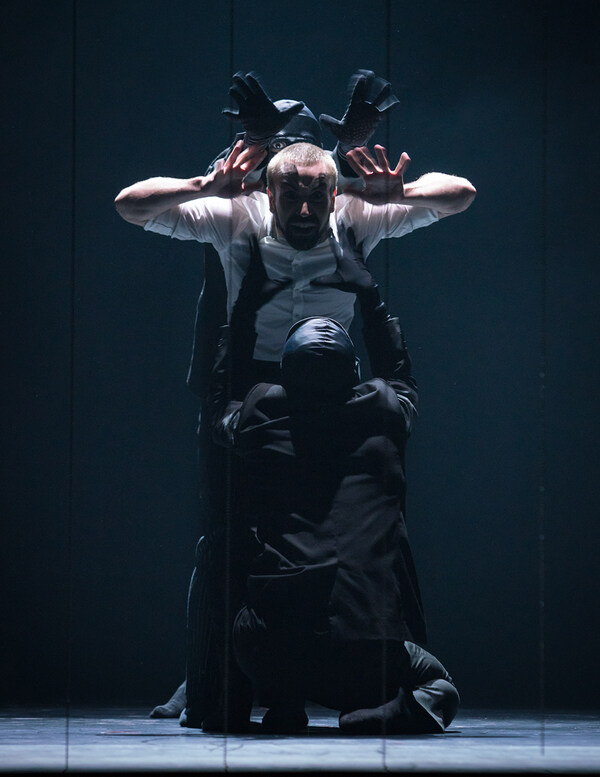
… pursued by the shadows of his guilt, José plunges into an abyss of darkness.
Once again, José encounters Carmen – yet he cannot keep hold of her, is plagued by the shadows and must watch how she becomes friendly with the toreador. His jealously grows immeasurably. In between: a dream of deceptive happiness in which Carmen, José and the young boy evoke an idyll which has long disappeared. The shadows grow, the toreador dances a final pas de deux with Carmen and vanishes. José stabs Carmen.
A broken lover and a conflicted child remain.
Explore
Trailer
Carmen – Making-of (4)
Carmen – Making-of (3)
Carmen – Making-of (2)
Carmen – Making-of (1)