Who is Who?
Nijinsky
“Who's Who in Nijinsky” outlines the most important figures in the dancer's life and their roles in John Neumeier's choreography. This is a 'biographical approach' to Nijinsky's inner life, exploring the life of one of the greatest dancers in history.
God of dance, showman, revolutionary? Who was Nijinsky?
read more
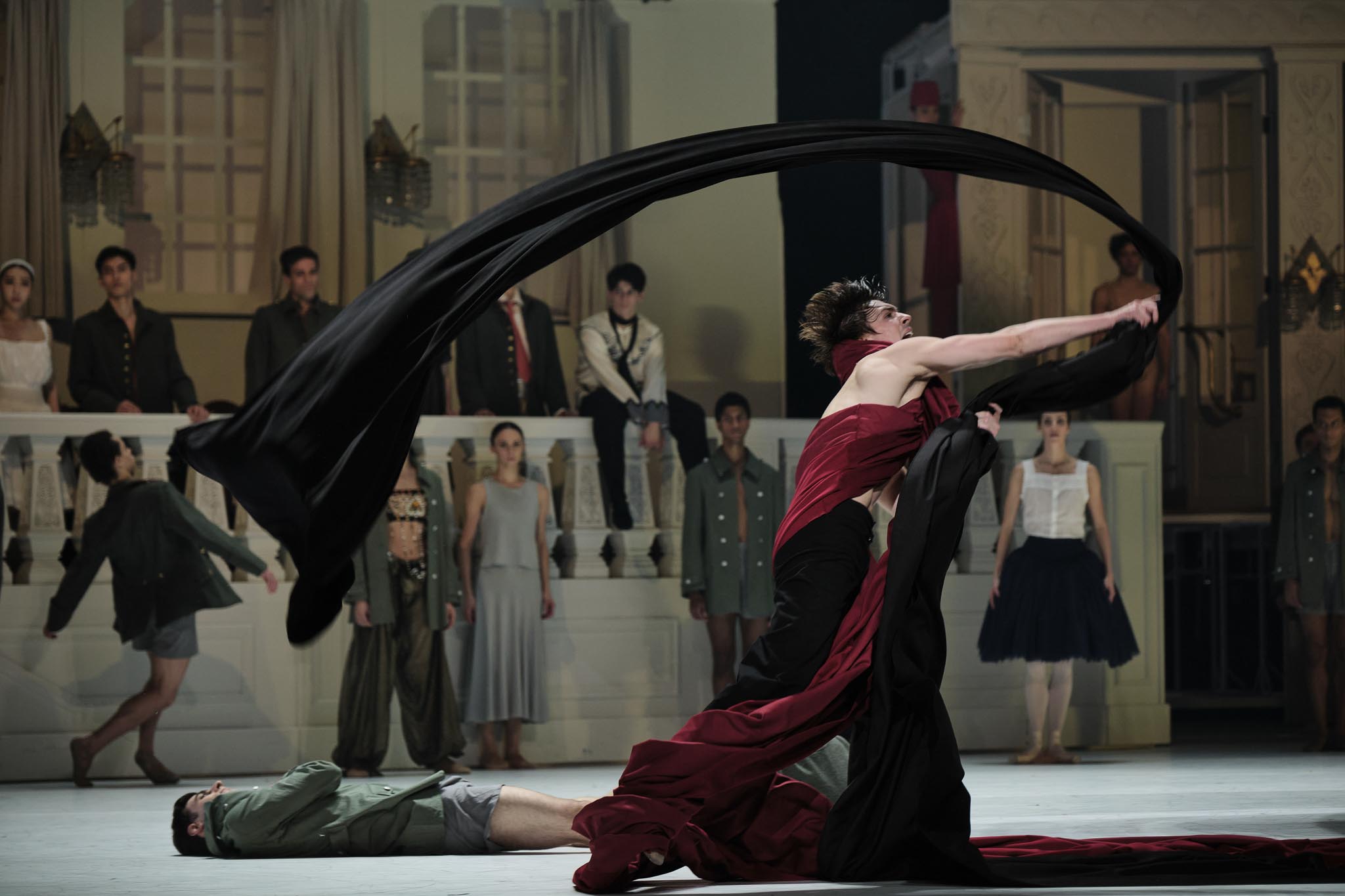
Vaslav Nijinsky (1889–1950), the star of Serge Diaghilev’s Ballets Russes, presented an image of the male dancer that audiences had never seen before: highly virtuosic, androgynous, and seductive. His lightness and sensuality, which had previously been associated with the figure of the ballerina, challenged traditional gender roles. Nijinsky was also a revolutionary choreographer: the premiere of his Sacre du printemps (1913) to Igor Stravinsky’s score and his erotically charged L’Après-midi d’un faune (1912) caused scandals. After Nijinsky’s marriage to Romola de Pulszky, which led to a break with his lover Diaghilev, he spent most of the last three decades of his life in mental institutions.
Neumeier’s ballet depicts Nijinsky’s memories of his family, his dancing career, his incipient madness, and the First World War.
Impresario and lover – About Serge Diaghilev
read more
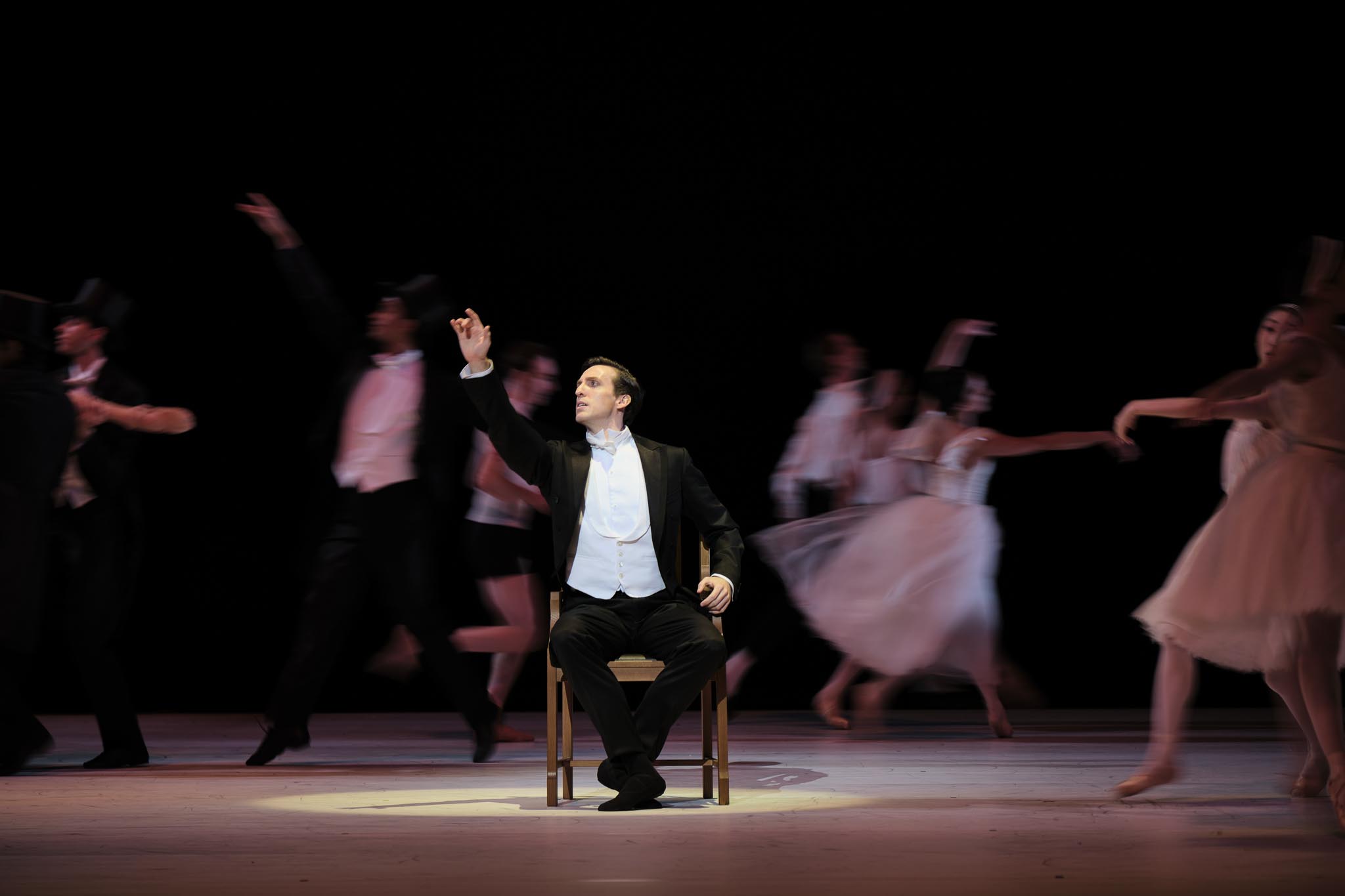
In the performances of his company, the Ballets Russes, the Russian impresario Serge Diaghilev (1872-1929) combined dance, music, and painting at the highest level to create total works of art that the world had never seen before. In 1909, he first brought a group of dancers from the Imperial Ballet in Saint Petersburg to Paris, where they encountered a spectacular success under the name Les Ballets Russes. In the following years, the company toured Europe and America. Among the stars of the Ballets Russes were Tamara Karsavina and Vaslav Nijinsky, with whom Diaghilev had a romantic relationship.
In Neumeier’s ballet, Diaghilev appears as a memory of Nijinsky. He is first seen as the dancer’s patron and lover. This is followed by scenes of jealousy in which Diaghilev rejects Nijinsky and banishes him from his company. This break had a negative impact on both Nijinsky’s dancing career and his mental state.
The rose that takes flight
read more
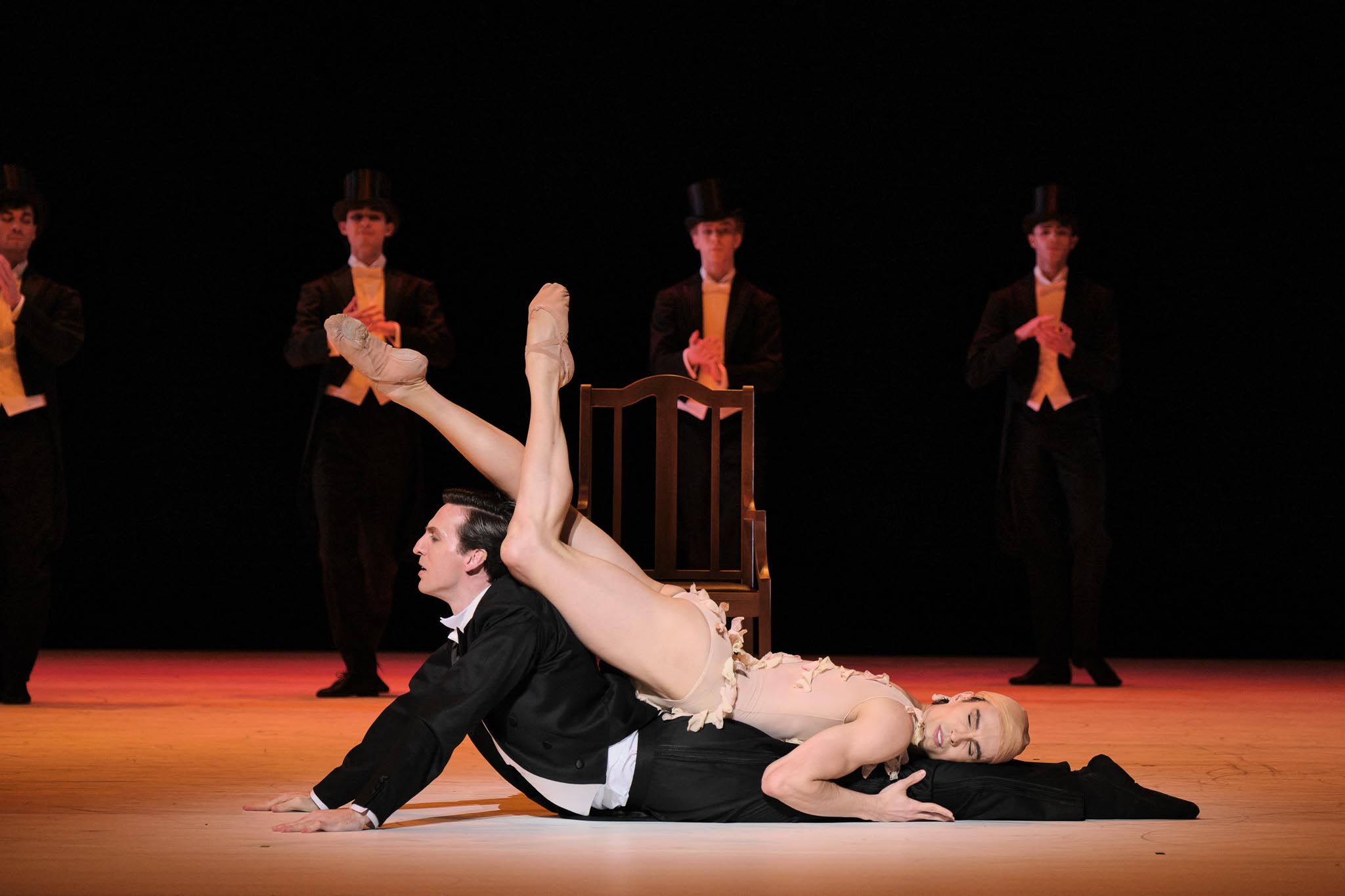
In 1911, Michel Fokine’s ballet Le Spectre de la Rose (The Spirit of the Rose) premiered with the Ballets Russes. The music was by Carl Maria von Weber, and Vaslav Nijinsky danced the title role. Covered entirely in petals, he embodied the spirit of a rose that appears to a girl in a dream. Nijinsky’s exit, in which he seemed to fly through the open window with a leap, caused a sensation. Nijinsky was known for his ability to appear to remain suspended in the air during a jump.
In Neumeier’s ballet, the androgynous spirit of the rose first appears as a figure of longing for Nijinsky’s patron and lover Diaghilev who takes the place of the dreaming girl and dances several passages from Fokine’s choreography with the spirit of the rose. He then reappears several times as a memory of Nijinsky’s illustrious career.
Golden Slave of Sensuality
read more
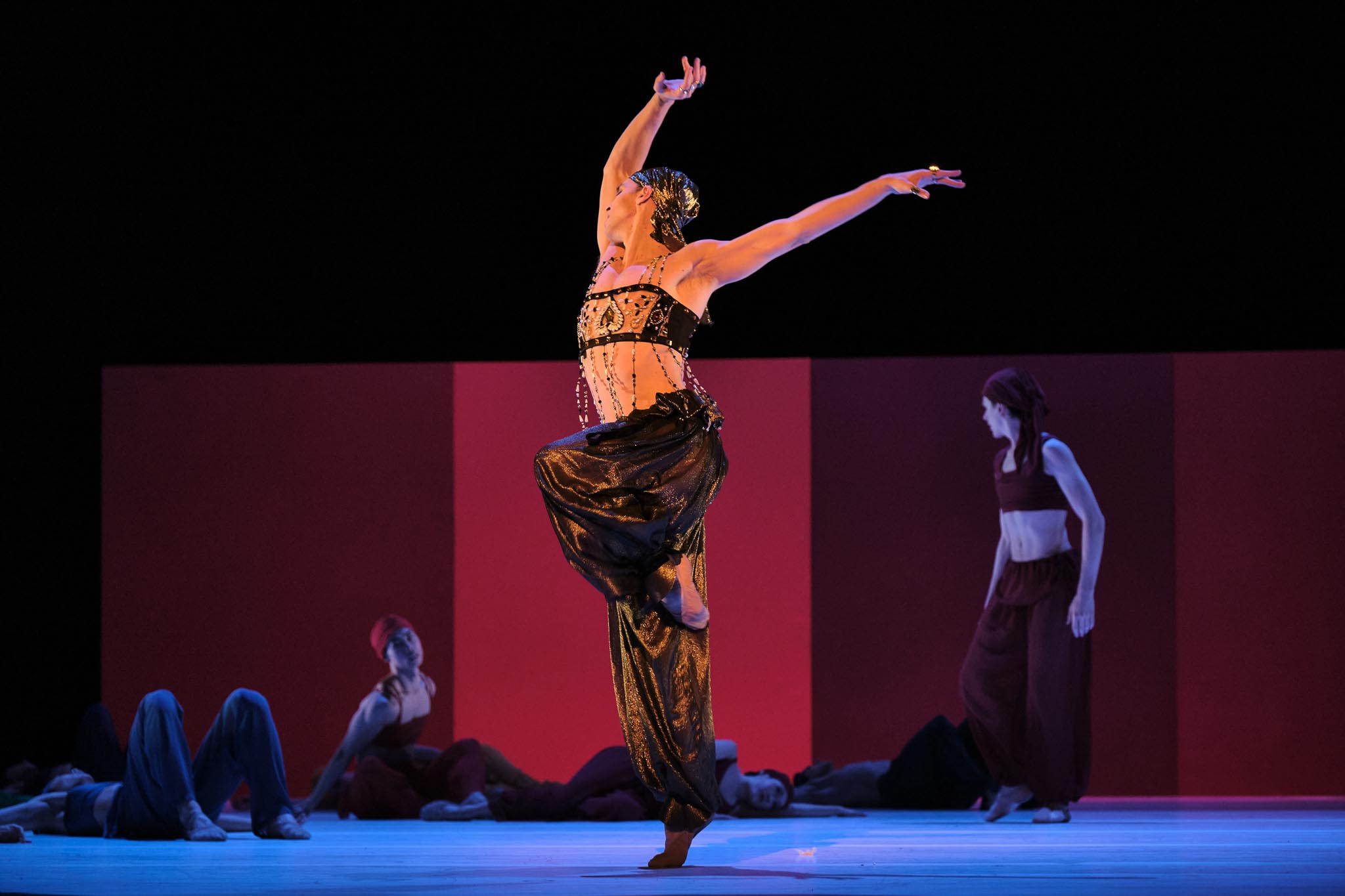
Michel Fokine created the ballet Scheherazade to music by Nikolai Rimsky-Korsakov for the Ballets Russes in 1910. In this work, Vaslav Nijinsky danced the role of the Golden Slave, who oozed blatant sensuality. In Fokine’s ballet, Zobeide, the sultan’s favorite, succumbs to the charms of the Golden Slave; both pay for their infidelity with their lives.
In John Neumeier’s ballet, whose first act is accompanied mainly by the music of Scheherazade, Nijinsky’s lover Diaghilev and his later wife Romola de Pulszky compete with each other for the seductive Golden Slave. Romola is immediately fascinated by him, but Diaghilev separates them.
Nijinsky’s dance language: revolutionary, emotional, scandalous
read more
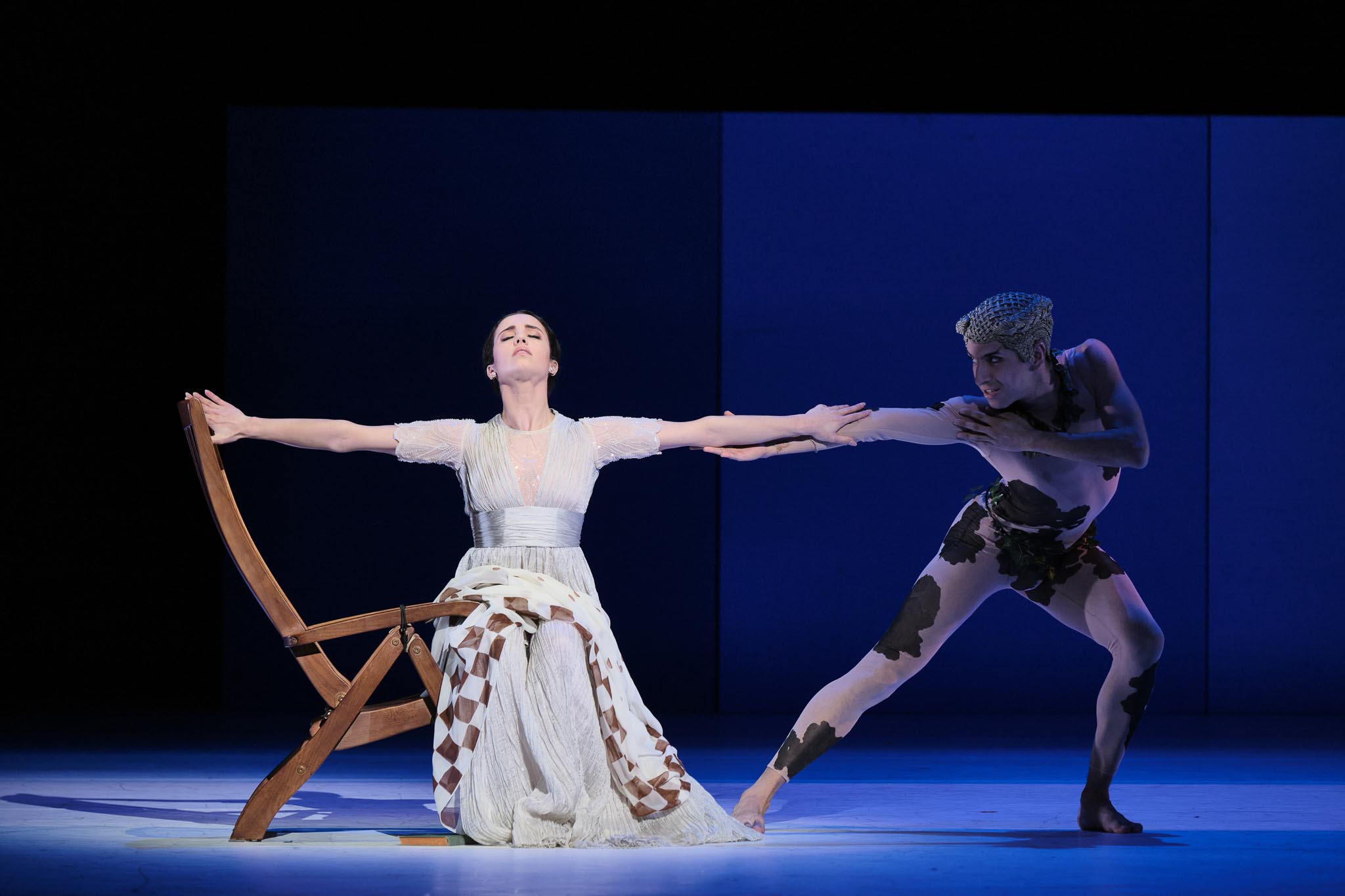
Nijinsky created several innovative choreographies: Le Sacre du Printemps (The Rite of Spring) caused a scandal due to its primitive plot, radical break with classical ballet aesthetics, and archaic-sounding music by Igor Stravinsky. Jeux depicted romances in a park between young tennis players, which had not previously been considered a suitable theme for ballet. In L’Après-Midi d’un Faune, in which Nijinsky danced the role of a horned faun surrounded by three nymphs, a “two-dimensional” aesthetic inspired by Greek vase painting met with a highly erotic theme – its premiere in 1912 also ended in a scandal.
In Neumeier’s ballet, a young tennis player from Jeux appears several times, and in the second act, we see an excerpt from Le Sacre du Printemps, with Nijinsky standing on a chair counting the rhythm. Memories of the chaos of the premiere are mixed with images of soldiers in World War I. The figure of the faun, who stands for Nijinsky’s erotic appeal, is particularly present: during the journey which marks the beginning of Nijinsky’s relationship with his future wife Romola de Pulszky, she has a vision of the attractive faun rather than the real man.
A difficult childhood
read more
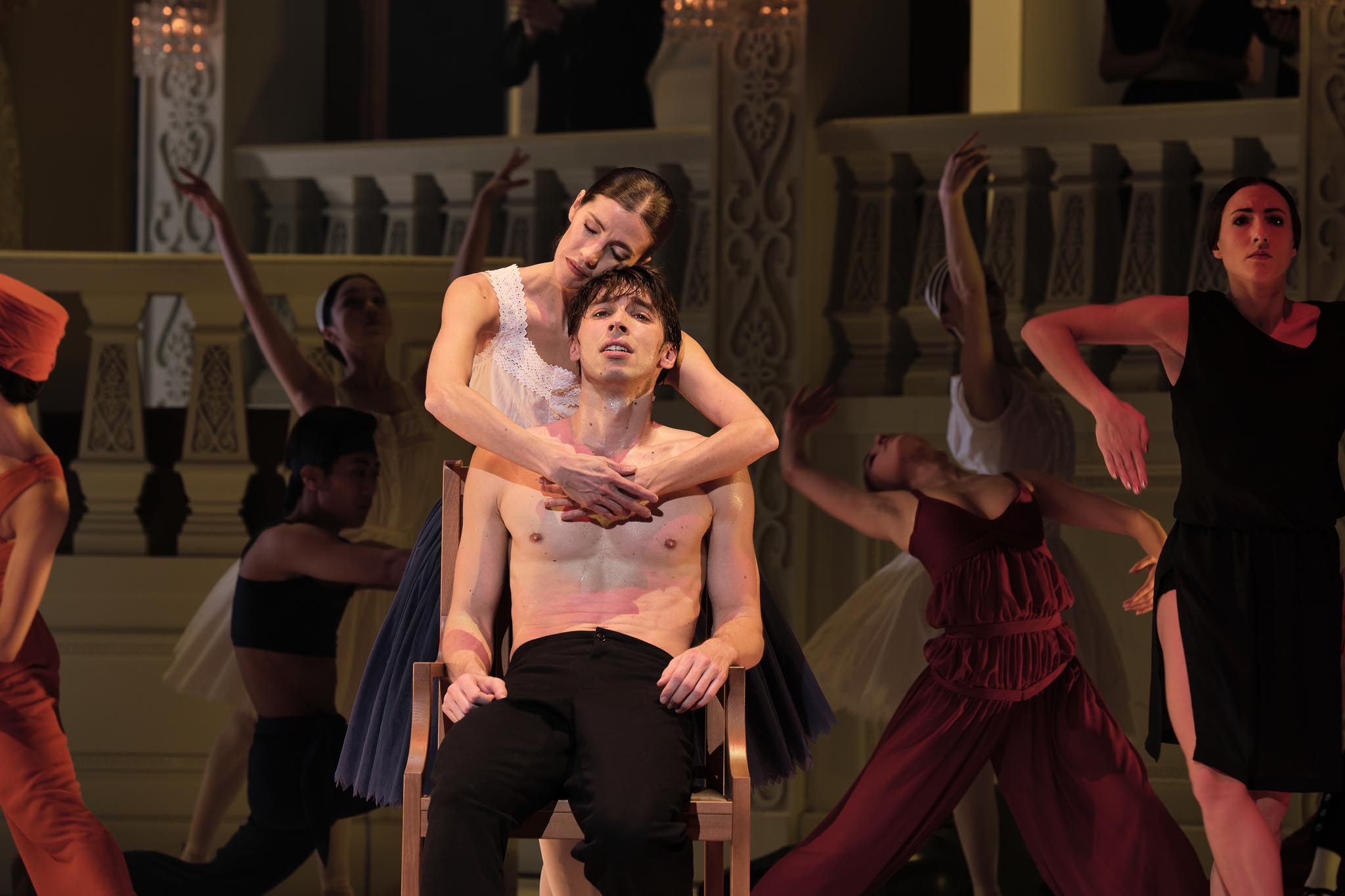
Nijinsky was the son of two Polish dancers, Tomasz Nijinsky and Eleonora Bereda. The couple had three children, Stanislav (1886), VaslaV (1889), and Bronislava (1891). In 1897, his father left his wife for another dancer. Similarly to her two sons Stanislav and Vaslav, Eleonora Bereda had problems with her mental health; she suffered from severe depression.
Neumeier’s ballet initially shows Nijinsky surrounded by his family, his parents and two siblings. Towards the end, his father reappears in the guise of a doctor at the mental institution where Nijinsky was being treated (both roles are interpreted by the same dancer). Neumeier thus hints at the parallels between Nijinsky’s fate and that of his mother: Nijinsky’s father left Eleonora Bereda for another woman, and Romola de Pulszky had an affair with the doctor, which hurt Nijinsky deeply.
Fragile early bonds – Nijinsky’s siblings
read more
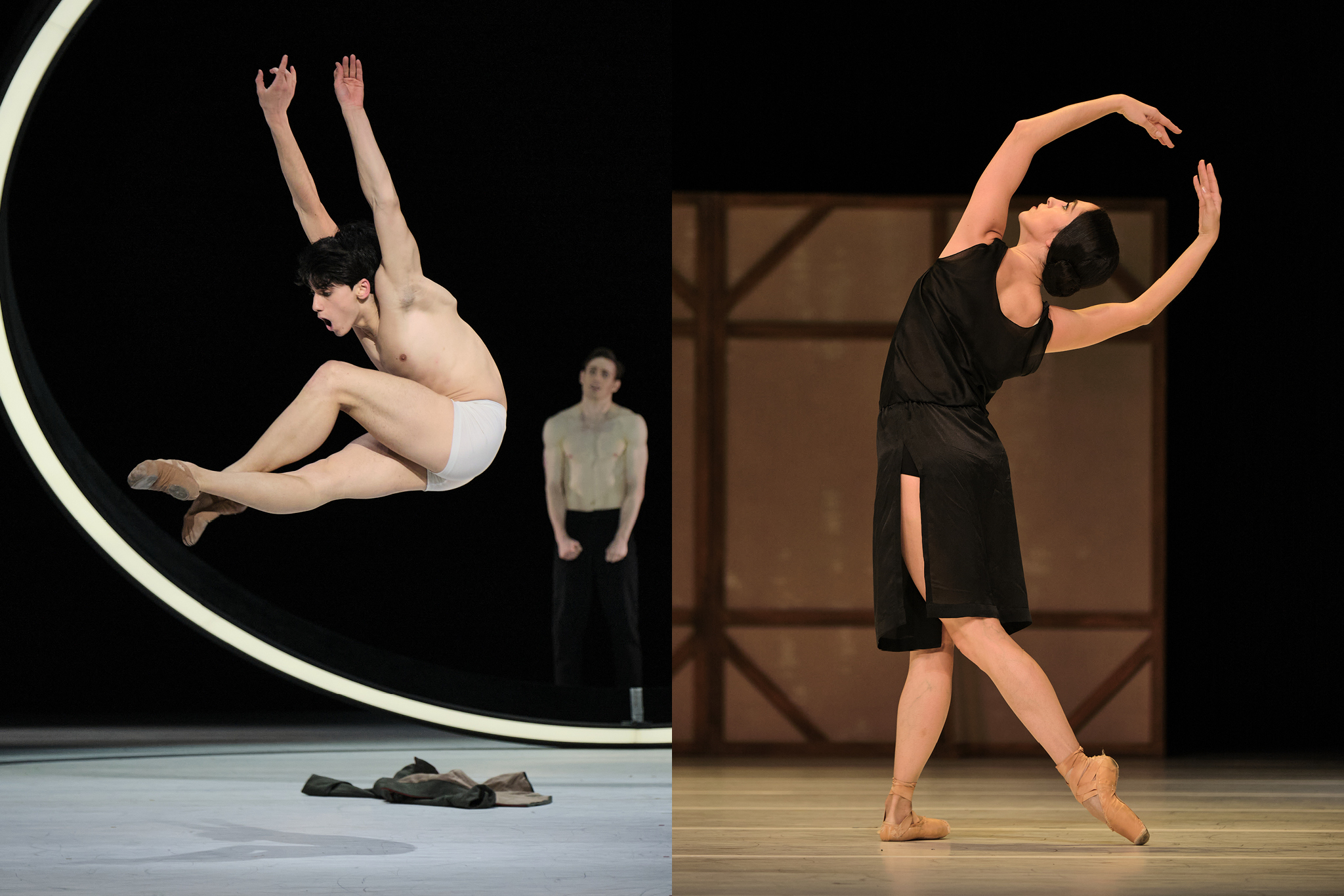
Nijinsky had a very close relationship with his sister Bronislava, who was two years older than him. Both were trained at the Imperial Ballet School in Saint Petersburg and devoted their lives to dance and choreography. Bronislava created numerous avant-garde narrative ballets such as Hamlet and semi-abstract works such as Les Biches, some of which are still performed today. Nijinsky’s brother Stanislav had a serious accident at the age of three and suffered from severe mental health problems ever since. He also became a dancer, but was admitted to a mental hospital at the age of 21 and died at the age of 32.
Nijinsky’s siblings play an important role in Neumeier’s ballet: Nijinsky recalls both the happy times when all three were united as dance students and dancers and were part of a functioning family, and Stanislav’s progressive mental illness. Confronted with his brother’s madness and suffering, Nijinsky is overcome with grief and guilt; Stanislav’s fate mirrors the disintegration of his own inner world.
Vaslav and Tamara: the dream couple of the Ballets Russes
read more
Nijinsky studied at the Imperial Ballet School in Saint Petersburg together with Tamara Karsavina. Both danced at the Mariinsky Theatre and later became star dancers of the Ballets Russes. Many important roles were created for Nijinsky and Karsavina, such as the sylph and the Poet in Chopiniana (1909, also known as Les Sylphides), Petrushka and the Ballerina in Petrushka (1911), and the Spirit of the Rose and the Girl in Le Spectre de la Rose (1911, all by Michel Fokine).
In Neumeier’s ballet, Tamara Karsavina appears repeatedly as a memory of the high points of Nijinsky’s career as a dancer and choreographer: as the sylph in Chopiniana, as a nymph in L’Après-Midi d'un Faune, and finally as a ballerina in Petrushka.
A marriage with heavy consequences
read more
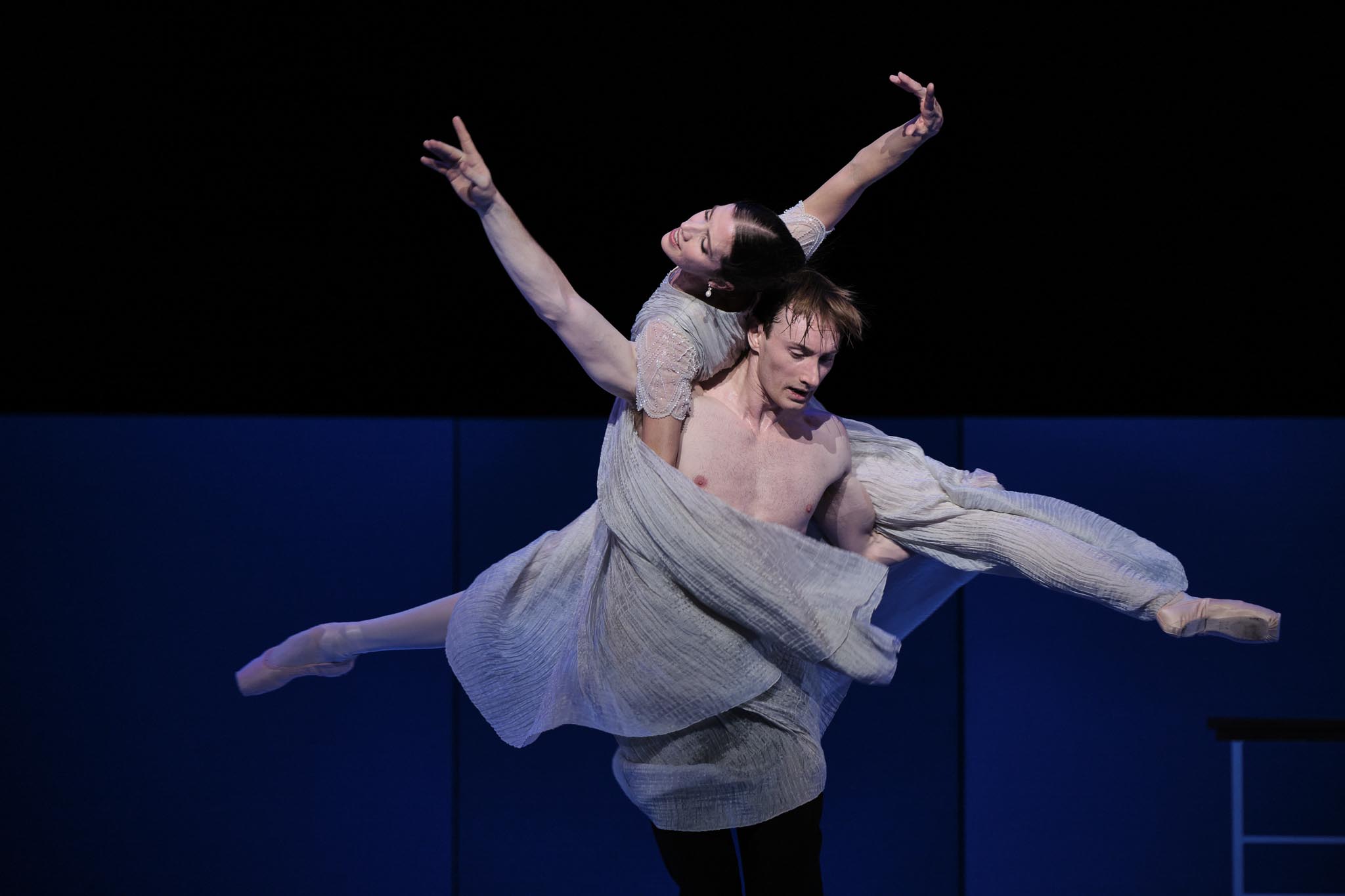
The Hungarian noblewoman Romola de Pulszky saw Nijinsky in 1912 during a performance of the Ballets Russes and was immediately deeply impressed by him. She tried to get closer to the dancer, for instance by taking dance lessons with the Ballets Russes, and accompanied the company on tour. The two became engaged during a journey by boat to South America in 1913 and married shortly afterwards in Buenos Aires. When Diaghilev found out about the wedding, he expelled Nijinsky from the company, which led to a serious setback in Nijinsky’s career. He was replaced as a dancer and choreographer of the Ballets Russes by Léonide Massine.
In Neumeier’s ballet, Romola first appears as a central figure in Nijinsky’s last public appearance at the Suvretta House. A series of flashbacks then shows the development of her love story with Nijinsky, from Romola’s infatuated first glances at the dancer to the beginning of their relationship on the ship up to their marriage, as well as her later struggle with Nijinsky’s mental illness.
“The greatest actor in the world!”
read more
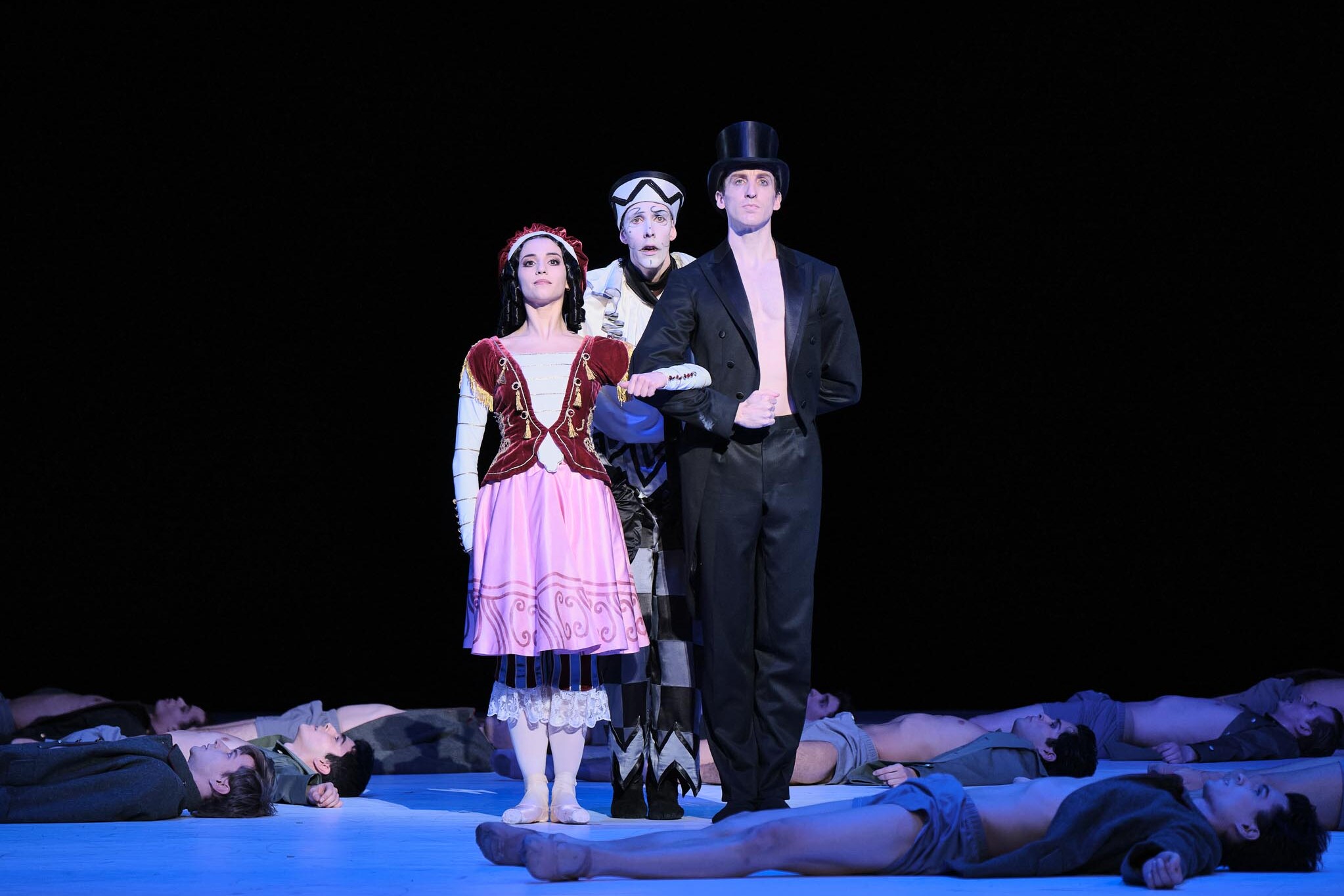
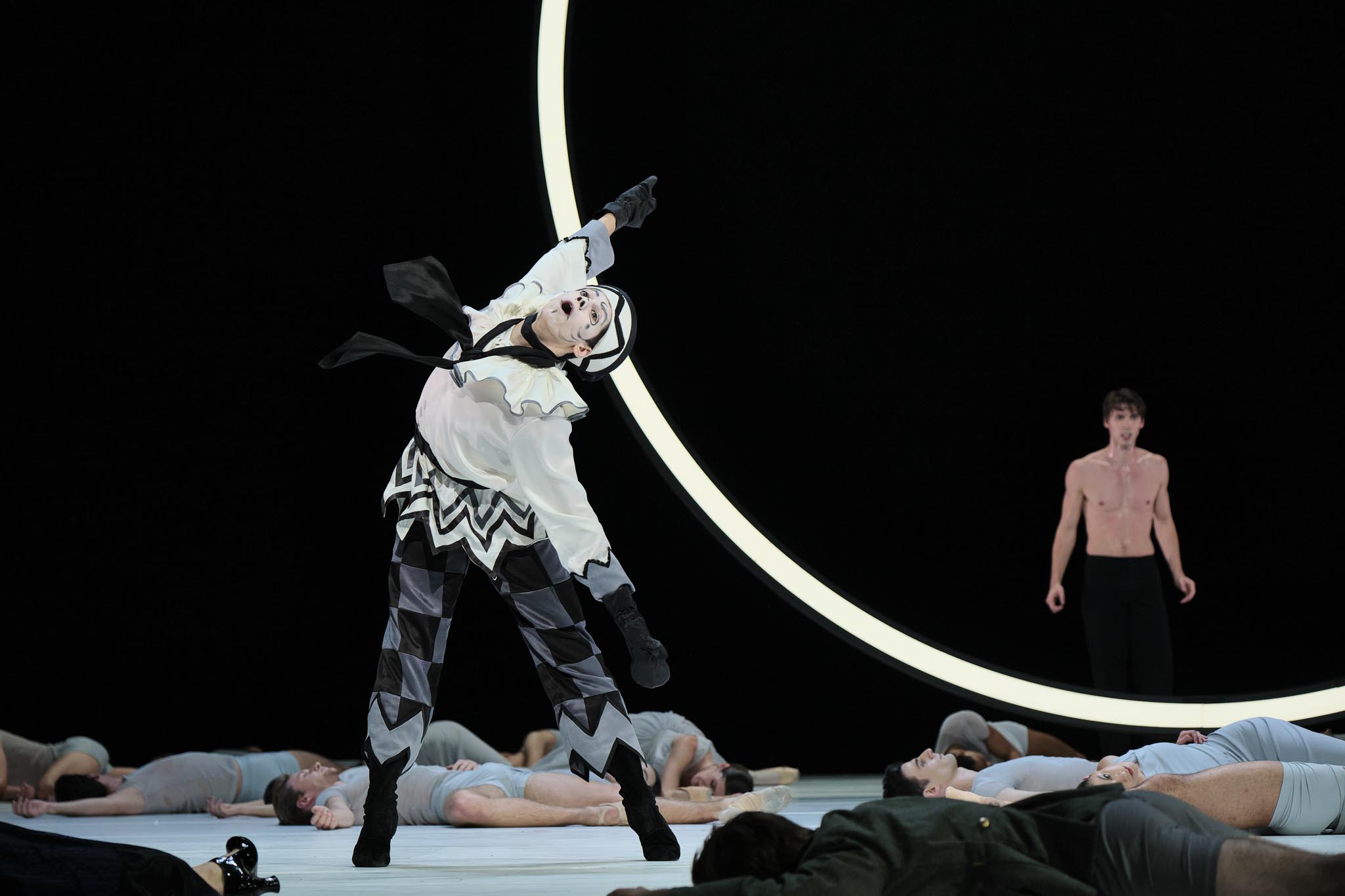
In 1911, Nijinsky danced the role of Petrushka, a sad clown who is held captive by an evil magician and put on display in a puppet theatre at a fair. He falls in love with the ballerina, but is killed, and his ghost haunts the magician. The choreography was by Michel Fokine, the music by Igor Stravinsky. At the ballet’s premiere, the famous French actress Sarah Bernhardt said of Nijinsky: “I am afraid, for I see the greatest actor in the world.”
Petrushka stands for a person who is tormented by incomprehensible and cruel forces. That is why he only appears in the second act of Neumeier’s ballet, which deals with Nijinsky’s suffering and the First World War. He suddenly appears as a vision of Nijinsky in the midst of a group of war victims and dances a solo that expresses Nijinsky’s bewilderment and pain at the madness of the world. Later, Petrushka becomes part of a battle scene featuring screaming and laughing soldiers. This scene symbolizes the complete dissolution of Nijinsky’s psyche, in which images of his past and the war merge into apocalyptic chaos.