Dramma giocoso in two acts
Libretto by Lorenzo Da Ponte
Performed in Italian with German and English supertitles
Premiere
22. March 2014,
No further performances in the current season.
Please note: Some biographies reflect the information available at the time of the respective premiere date and are not necessarily updated on an ongoing basis.
Premiere cast
- Conductor Omer Meir Wellber, Georg Fritzsch
- Choir Jonathan Becker, Wolfram Tetzner
- Staging Andreas Kriegenburg
- Set Design Harald Thor
- Costume Design Andrea Schraad
- Lighting Design Stefan Bolliger
- Dramaturgy Stefan Ulrich
- Fiordiligi Heidi Stober, Iulia Maria Dan, Francesca Dotto
- Dorabella Cecilia Molinari, Jana Kurucová
- Despina Katerina von Bennigsen, Ute Selbig
- Ferrando Ioan Hotea, Joseph Dennis
- Guglielmo Mario Cassi, Lawson Anderson
- Don Alfonso Omar Montanari, Martin-Jan Nijhof
Sächsischer Staatsopernchor Dresden
Sächsische Staatskapelle Dresden
Sächsische Staatskapelle Dresden
Generously supported by the Semperoper Foundation
Explore
Stücktrailer
Così fan tutte
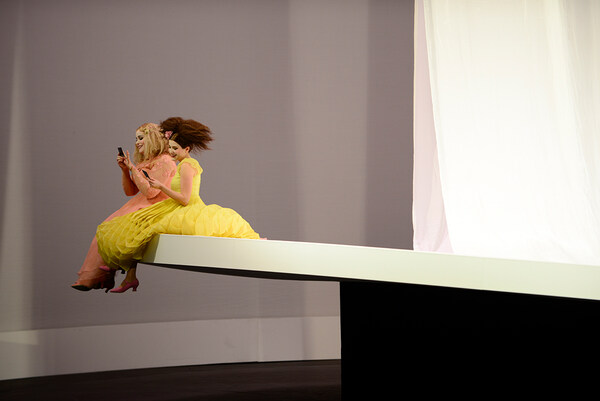
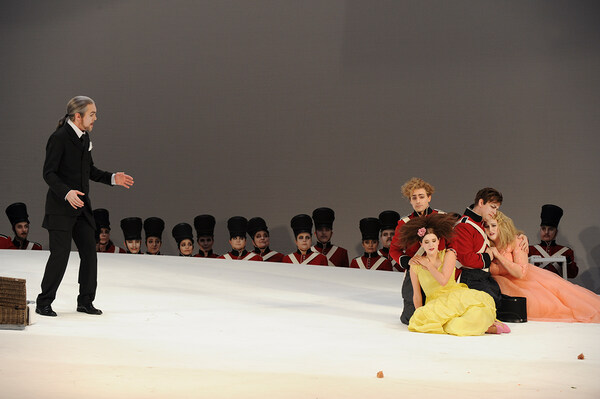
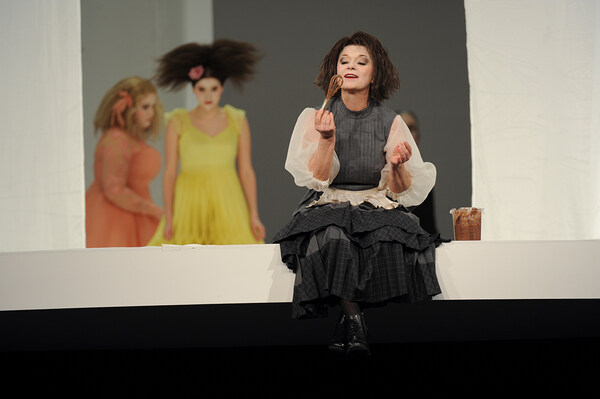
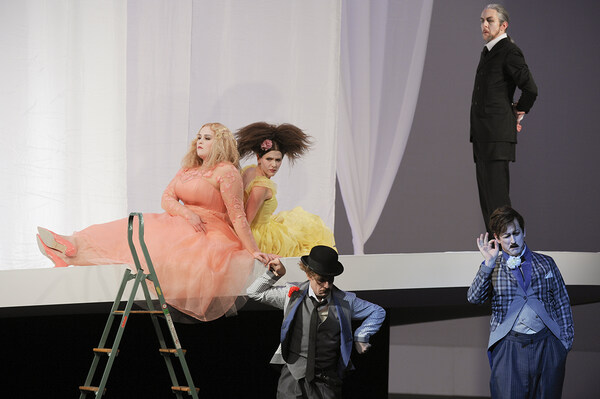
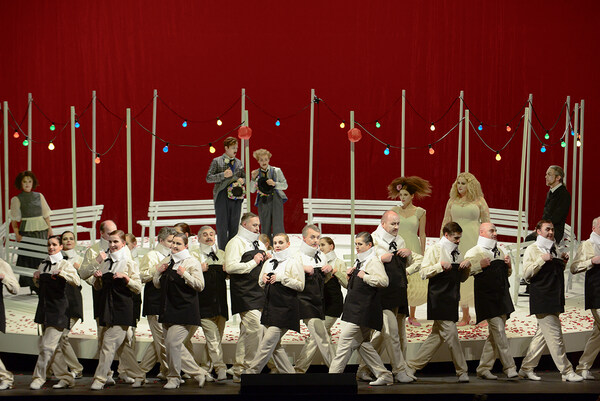
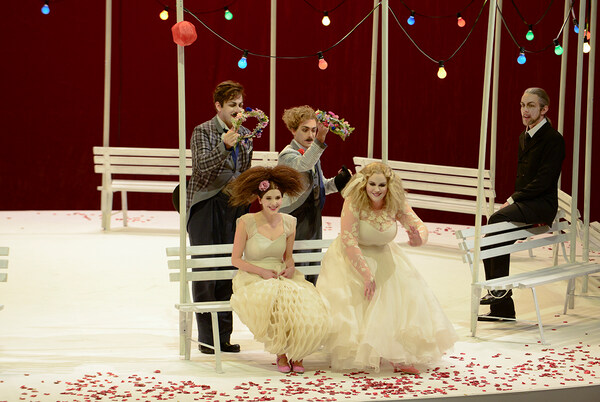
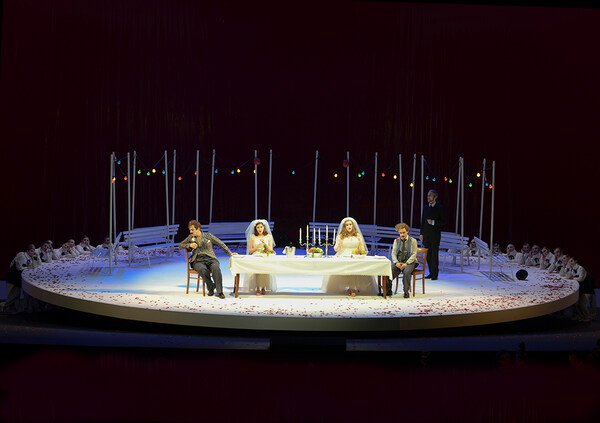
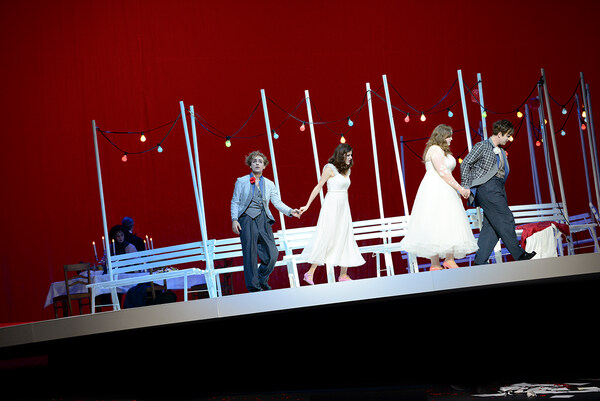
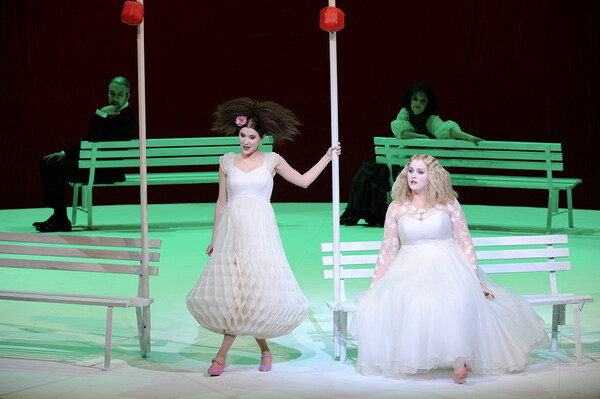
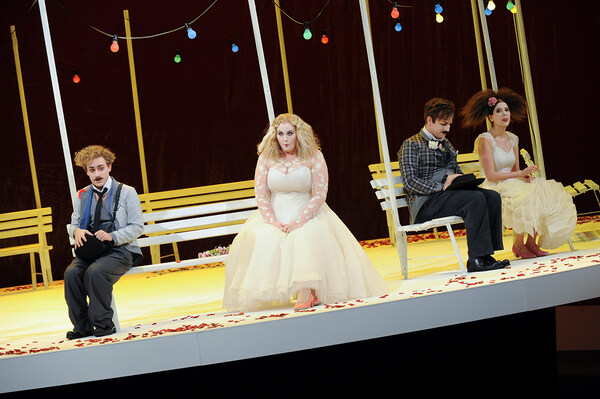
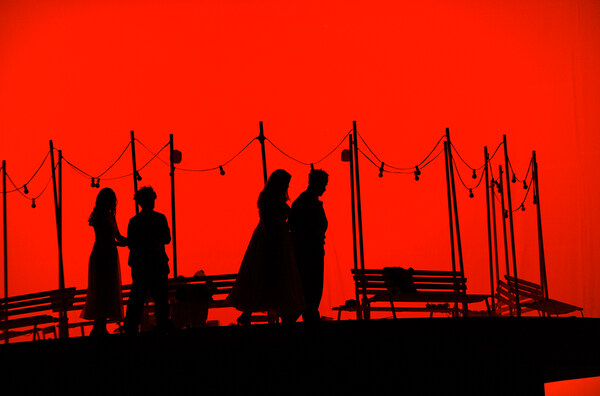
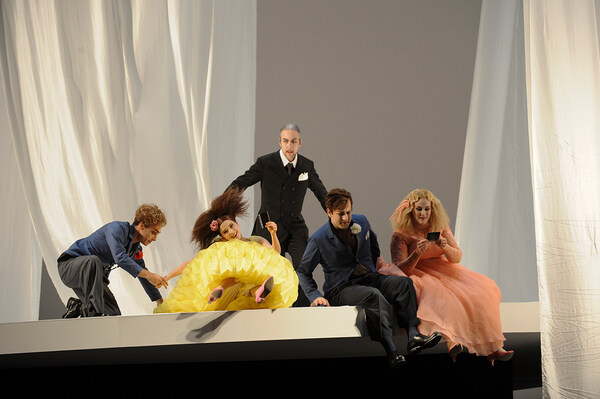
Così fan tutte (All women do it) – Don Alfonso assures his friends Ferrando and Guglielmo that he can prove to them that their fiancées Dorabella and Fiordiligi will be unfaithful just as soon as they see an opportunity. The young men are so certain of the hearts and loyalty of their lovers that they accept wager. In disguise, they attempt to seduce the young women. As things are about to turn nasty, the couples decide to forgive and forget. Wolfgang Amadeus Mozart and his librettist Lorenzo da Ponte gave the work the subtitle The School for Lovers to highlight the enlightening qualities of Così fan tutte. Following the premiere in Vienna in 1790, the opera was frequently attacked for its perceived vulgarity. This ambiguity and the wittily precise dissection of the confused hearts of young lovers is also characteristic of the light-footed production by Andreas Kriegenburg, who enthusiastically borrows from the aesthetics of slapstick from the Silent Age of moviemaking.
Gallery